If you’ve ever hesitated between poco, poca, pochi and poche, this article is for you. English uses different words (little, not much, few, not many) for what Italian says with poco and its forms, and that’s where the confusion comes from. It works exactly like molto, so if you know one, you know both!
In short
- Poco + noun = adjective, so it agrees: poco tempo, poca pazienza, pochi amici, poche persone.
- Poco + adjective, adverb, or after a verb = adverb, so it never changes: mangio poco, è poco simpatica.
- Un po’ = a little, a bit: un po’ di pane. Always with an apostrophe, never un pò.
- Pochissimo = very little; pochissimi = very few.
Poco as an adverb: it never changes
When poco comes after a verb or before an adjective, it’s an adverb, and adverbs don’t change: it’s always poco.
| Italian | English |
|---|---|
| Ieri sera ho mangiato poco. | I didn’t eat much last night. |
| Di solito bevo molto poco. | I usually drink very little. |
| Questo film è poco interessante. | This movie isn’t very interesting. |
| Le strade sono poco illuminate. | The streets are poorly lit. |
A very Italian habit: we often use poco + adjective to soften a negative judgment. È poco simpatico sounds more polite than È antipatico.
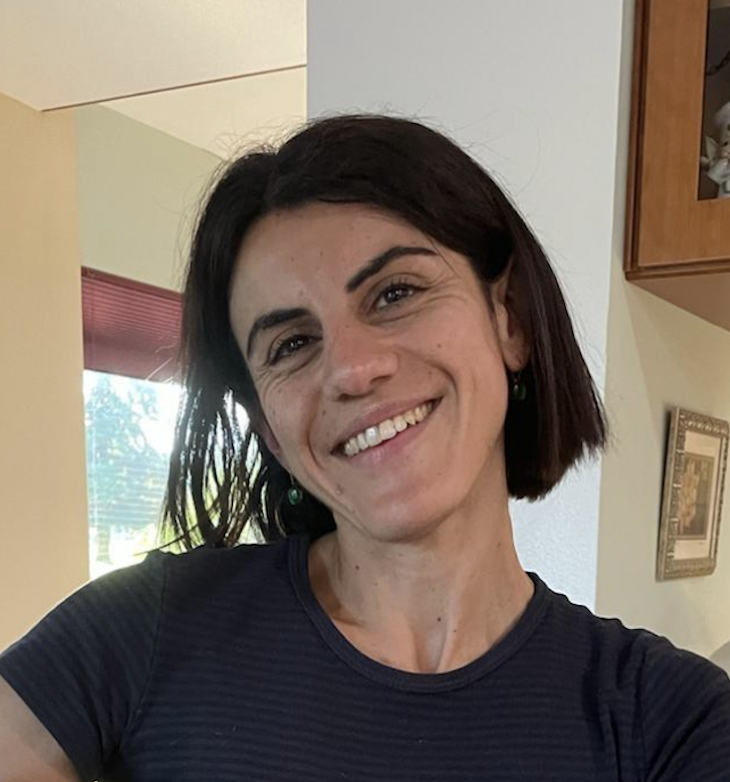
Ciao, I'm Serena
I'm a certified Italian teacher from Sicily, and I live in Rome. Since 2016 I've been teaching Italian online to English-speaking adults, through stories and comprehensible input. My graded readers grew out of those lessons: short stories in real, culturally rich Italian, with exercises and audio, so you can bring together and activate the grammar and vocabulary you already know. I believe this is the most effective way to learn a language, and to make learning it part of your lifestyle.
Poco, poca, pochi, poche as an adjective: it agrees
When poco comes before a noun, it’s an adjective and agrees with the noun in gender and number:
| Singular (little, not much) | Plural (few, not many) | |
|---|---|---|
| Masculine | poco tempo | pochi amici |
| Feminine | poca pazienza | poche persone |
| Italian | English |
|---|---|
| Faccio poco sport. | I don’t do much exercise. |
| Ho poca pazienza con i bambini. | I have little patience with children. |
| Ho pochi amici in Italia. | I have few friends in Italy. |
| Conosco poche persone qui. | I know few people here. |
Un po’: a little, a bit
Un po’ is the short (and much more common) form of un poco. It means “a little” or “a bit.” Use un po’ di before a noun:
| Italian | English |
|---|---|
| Vorrei un po’ di pane. | I’d like a little bread. |
| Mi metti un po’ di zucchero? | Can you add a bit of sugar? |
| Sono un po’ stanca. | I’m a bit tired. |
| Aspetta un po’! | Wait a minute! |
Spelling tip
It’s po’ with an apostrophe, because it’s a shortened form of poco. Pò with an accent is a very common mistake, even among Italians!
Pochissimo, pochissimi: very little, very few
Add -issimo to intensify: pochissimo, pochissima, pochissimi, pochissime. Like poco, it agrees when it’s an adjective:
| Italian | English |
|---|---|
| Ho pochissimo tempo oggi. | I have very little time today. |
| C’erano pochissime persone al concerto. | There were very few people at the concert. |
| Ho dormito pochissimo. | I slept very little. |
Useful expressions with poco
| Expression | English | Example |
|---|---|---|
| tra poco / fra poco | soon, in a little while | Arrivo tra poco. |
| poco fa | a little while ago | L’ho visto poco fa. |
| a poco a poco | little by little | A poco a poco, l’italiano diventa più facile. |
| per poco | almost, nearly | Per poco non perdevo il treno! |
| poco male | never mind, no big deal | Hai dimenticato il pane? Poco male. |
Common mistakes
| ❌ Not this | ✅ But this | Why |
|---|---|---|
| Ho poco pazienza. | Ho poca pazienza. | pazienza is feminine |
| Ho mangiato poca. | Ho mangiato poco. | after a verb: adverb |
| Sono poche stanche. | Sono poco stanche. | before an adjective: adverb |
| Un pò di sale. | Un po’ di sale. | apostrophe, not accent |
Exercise: poco, poca, pochi, poche or un po’?
- Ho ______ voglia di uscire stasera.
- In agosto ci sono ______ turisti a Milano.
- Mio figlio mangia ______.
- Vuoi ______ di torta?
- Ho ______ amiche qui, ma sono speciali.
- Questo ristorante è ______ caro.
Show the answers
- poca
- pochi
- poco
- un po’
- poche
- poco
Frequently asked questions
When does poco change in Italian?
Poco changes (poca, pochi, poche) only before a noun, because it works as an adjective: poca pazienza, pochi amici. After a verb or before an adjective it stays poco.
What is the difference between poco and un po’?
Poco means “little, not much” and has a negative feel: ho poco tempo (I don’t have much time). Un po’ means “a little, a bit” and is positive: ho un po’ di tempo (I have a bit of time).
Is it un po’ or un pò?
Un po’, with an apostrophe, because it’s the shortened form of poco. Un pò with an accent is a common mistake.
What does tra poco mean?
Tra poco (or fra poco) means “soon” or “in a little while”: arrivo tra poco.
Practice with my stories
The best way to get poco and un po’ right without thinking is to meet them in context. My graded readers are full of everyday Italian like this:
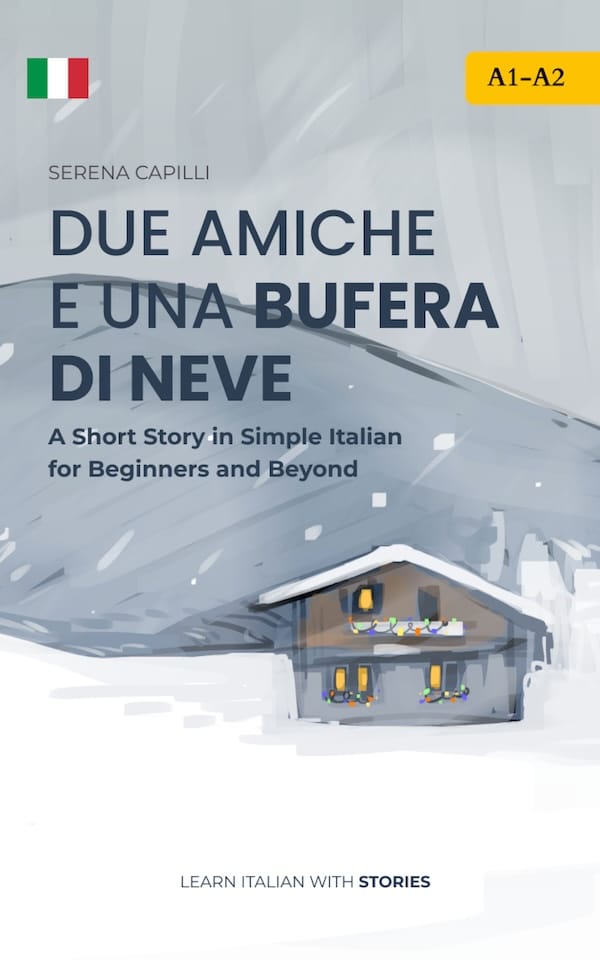
Due Amiche e una Bufera di Neve
Level A1/A2
Costanza and Anna get stuck in a snowstorm, with a surprise.
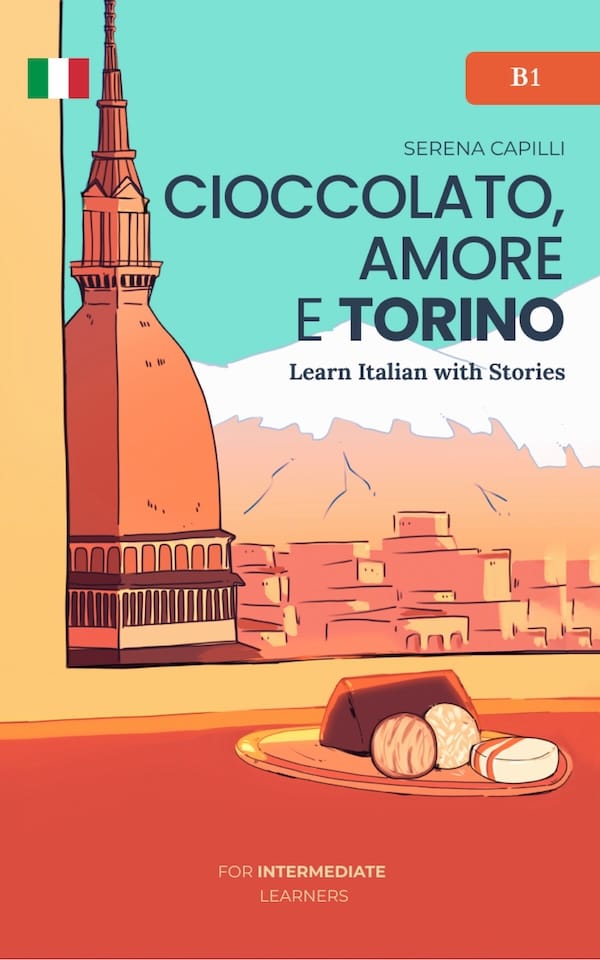
Cioccolato, Amore e Torino
Level B1+
Marie’s journey continues in Turin, between love, creativity and chocolate.
Dive deeper: molto, molta, molti, molte · molto vs tanto · Italian adjectives