Learning a foreign language has never been easy.
We’re surrounded by Italian content: YouTube videos, podcasts, books, blogs, Instagram accounts, even AI tools. But here’s the real question: how much of it actually sticks in your long-term memory? How many words and expressions do you truly internalize and recall naturally when you speak?
The secret isn’t more content. It’s smarter learning. As an Italian teacher and a lifelong language learner, I’ve found that vocabulary is all about habits + strategy. So today I’m sharing the 9 techniques I use myself and with my students.
In short
- Learn chunks, not single words: fare un giro, prendere in giro
- 5 to 7 words per session are enough
- Choose words that matter to you and write your own example sentences
- Use them in speaking and writing as soon as possible
- Pick input you understand almost entirely, with a few new words per page
- Review regularly with a simple notebook system
- Translate meaning, not word for word
- Write by hand
- Mix reading and listening
1. I learn chunks, not single words
One of my golden rules: learn in chunks, not isolated words. A chunk is a group of words that commonly go together, like an expression or a collocation: fare un giro (“to go for a ride” or “to take a walk”).
Why it works: your brain remembers meaningful patterns more easily than single words.
| Chunk | Meaning |
|---|---|
| fare un giro in barca | to go on a boat trip |
| essere sempre in giro | to always be out and about |
| prendere in giro qualcuno | to tease someone |
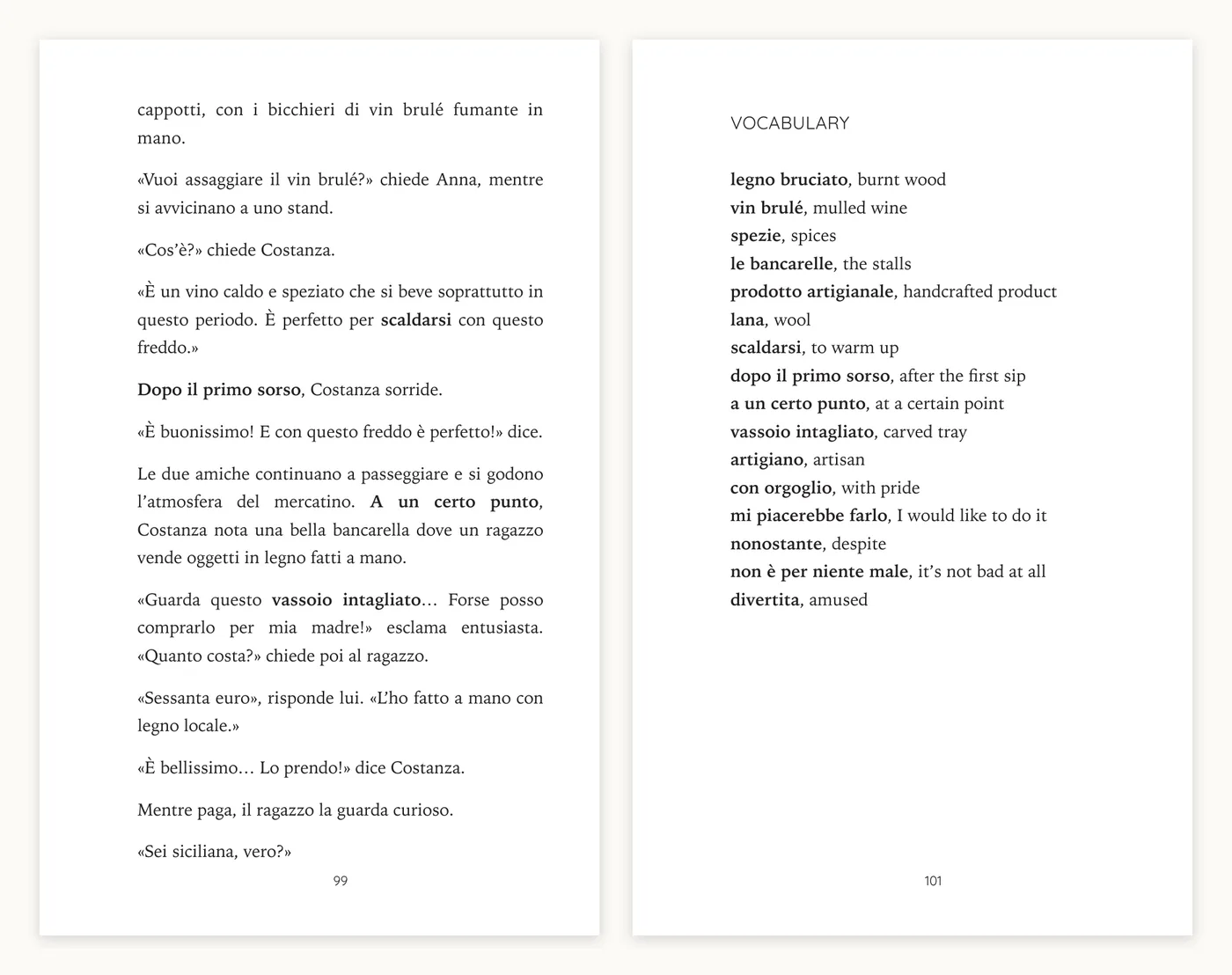
Where to find chunks:
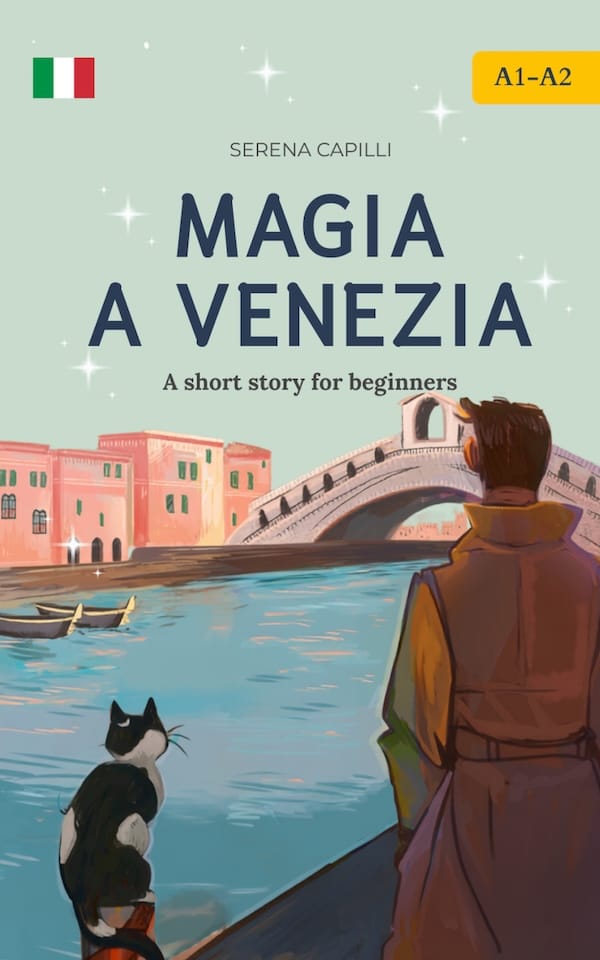
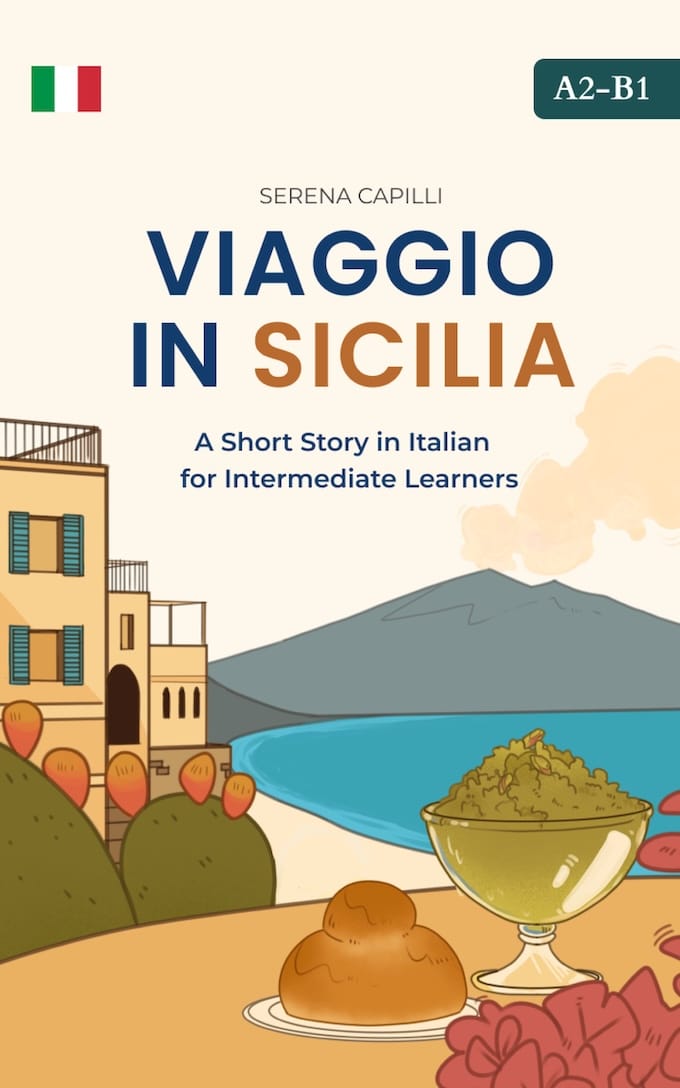
- Graded readers in easy Italian (perfect for beginners and intermediates)
- Daily chunks on Instagram (@smart_italianlearning)
- Italian-language magazines and blogs
- Any audio or written content you genuinely enjoy
Language tip: start building your own chunk library from the books, podcasts or shows you love.
2. My motto: less is more
Let’s talk about vocabulary overwhelm. If your vocabulary notebook looks like a dictionary, you’re doing too much. Instead of cramming 20+ words into one session, focus on just 5 to 7 useful words or phrases at a time.
Language tip: use a notebook and write the date at the top of each list. Come back regularly to review and recall.
3. I learn selectively and emotionally
Your brain prioritizes what feels relevant and emotionally engaging. Here’s my method:
- Once a week, I choose content I enjoy, like an easy reader or a podcast episode.
- I read or listen once just for pleasure. Then I go back and underline only the words that resonate with me or feel useful in real conversations.
- I write personal, memorable example sentences with those words: something I might actually say.
Tip: make it personal and practical. Don’t highlight everything, just what you want to use.
4. Use it or lose it
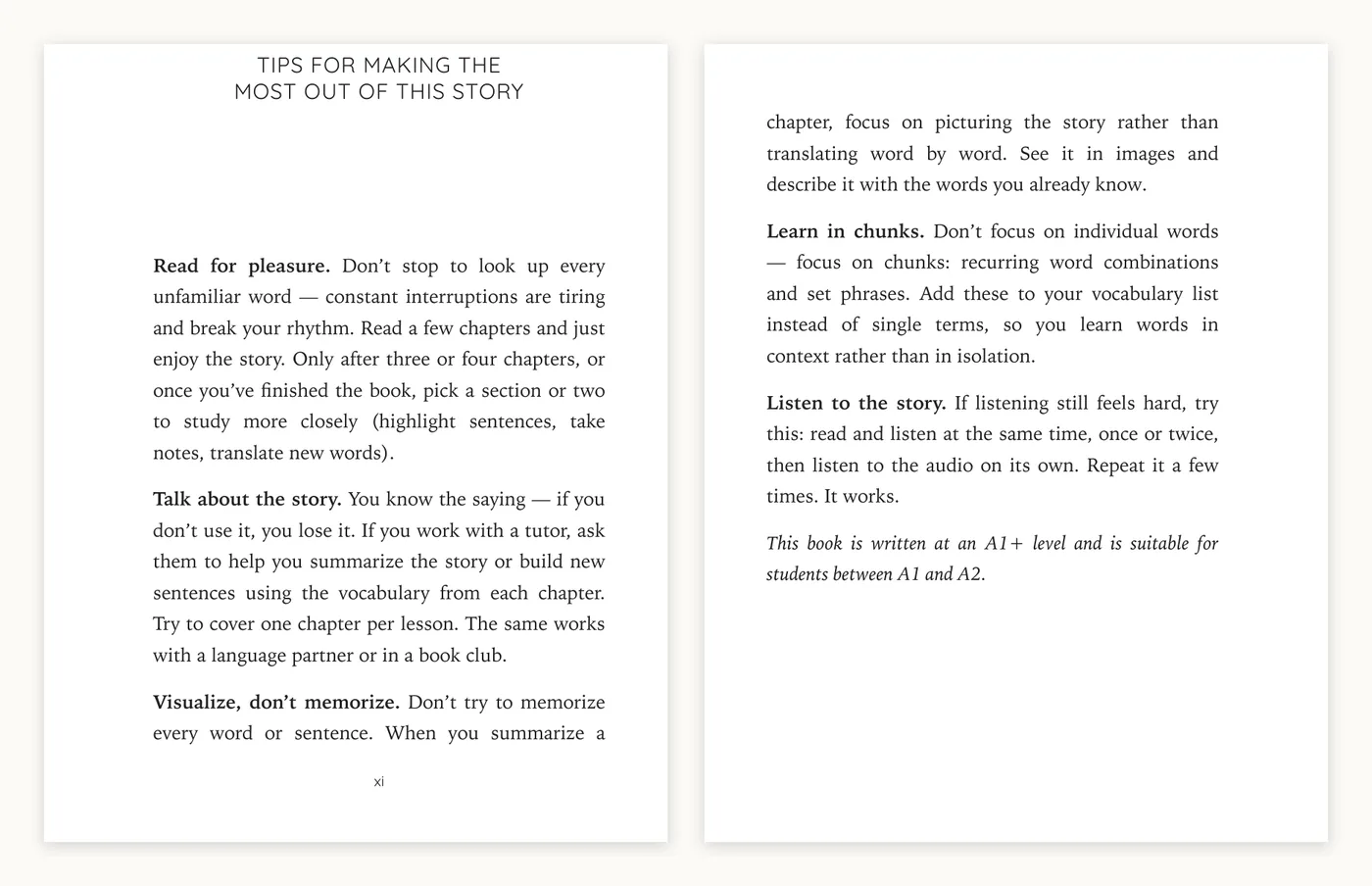
Repetition is key, but active use is where the magic happens. Try this:
- Ask your tutor to quiz you on the vocabulary from a short story you’ve read.
- Use new chunks in your next speaking session.
- Write a short dialogue with 3 new expressions.
The more you use what you learn, the more it sticks.
5. I choose the right input, not just any input
Comprehensible input is key: content you understand almost entirely, with a few new words you can figure out from context. Research on reading suggests you need to know about 95% of the words to follow a text comfortably, so a handful of new words per page is the sweet spot.
- Too hard? Overwhelming.
- Too easy? Boring.
- Just right? Motivating and memorable.
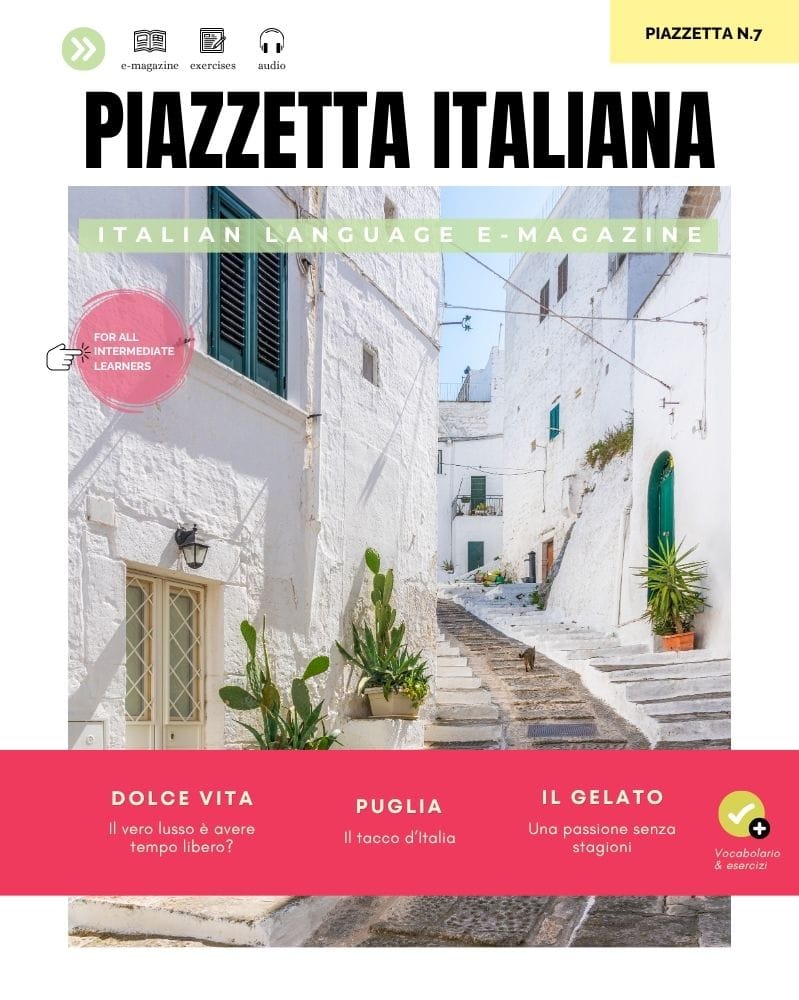
My go-to sources are short, easy graded readers and my magazine, Piazzetta Italiana, written for intermediate learners.
Language tip: focus on quality, not quantity. Write down only what genuinely interests or moves you.
6. I prioritize repetition: here’s my system
Repetition builds long-term memory. I use a simple, low-stress review notebook:
- A date on each page
- Three columns: new word, personal sentence, review notes
- A monthly review (same day each month)
- Highlight the words you forgot
- Make flashcards only for the tricky ones
| New word | Personal sentence | Review notes |
|---|---|---|
| non vedo l’ora | Non vedo l’ora di andare in Sicilia! | ✓ remembered |
| prendere in giro | Mio fratello mi prende sempre in giro. | forgot: flashcard |
This is a simple form of spaced repetition: reviewing words at gradually longer intervals so they move into long-term memory.
7. I translate meaning, not words
Avoid literal, word-for-word translations. Italian and English often don’t line up that way. Instead, picture what you want to say, then express it in simple Italian with words you already know.
Example: instead of translating “I’m looking forward to it” literally, say non vedo l’ora (I can’t wait).
8. I write by hand to remember words longer
Research suggests that writing by hand helps you remember new information better than typing. Whether it’s a classic notebook or a tablet with a stylus, slowing down to write helps you absorb new vocabulary more deeply.
Make handwriting part of your routine. It’s old-school for a reason!
9. I mix reading and listening
You may have heard of “visual” and “auditory” learners. Research hasn’t found that matching your study to one learning style makes a big difference, but using both your eyes and your ears gives every new word more hooks in your memory. Here’s how I mix them:
| With your eyes | With your ears |
|---|---|
| Read texts and highlight key phrases | Listen to podcasts |
| Create mind maps | Repeat words aloud |
| Use color coding | Shadow native speakers |
Tip: choose a book with audio, so you can read and listen to the same story.
Final thoughts: build your own vocabulary strategy
Don’t try to do it all. Choose 1 or 2 techniques that speak to you and start there. Be curious, consistent, and kind to yourself.
You don’t need thousands of words. You need the right ones, used regularly and naturally. Language learning is like planting seeds: some sprout fast, others take time.
So remember: if you’re tired, learn to rest, not to quit.
Frequently asked questions
How many new Italian words should I learn per day?
Quality beats quantity. Focus on 5 to 7 useful words or chunks per session, write your own sentences with them, and review them regularly.
What is the fastest way to learn Italian vocabulary?
Learn words in chunks (groups of words that go together), from content you enjoy and understand almost entirely, then use them actively and review them with spaced repetition.
Should I use flashcards to learn Italian?
Flashcards work best for the tricky words you keep forgetting. For everything else, reading, listening and writing your own sentences help words stick in context.
All my books come with vocabulary support and exercises, so you can learn new chunks in context while you enjoy a story. Here are three to start with:
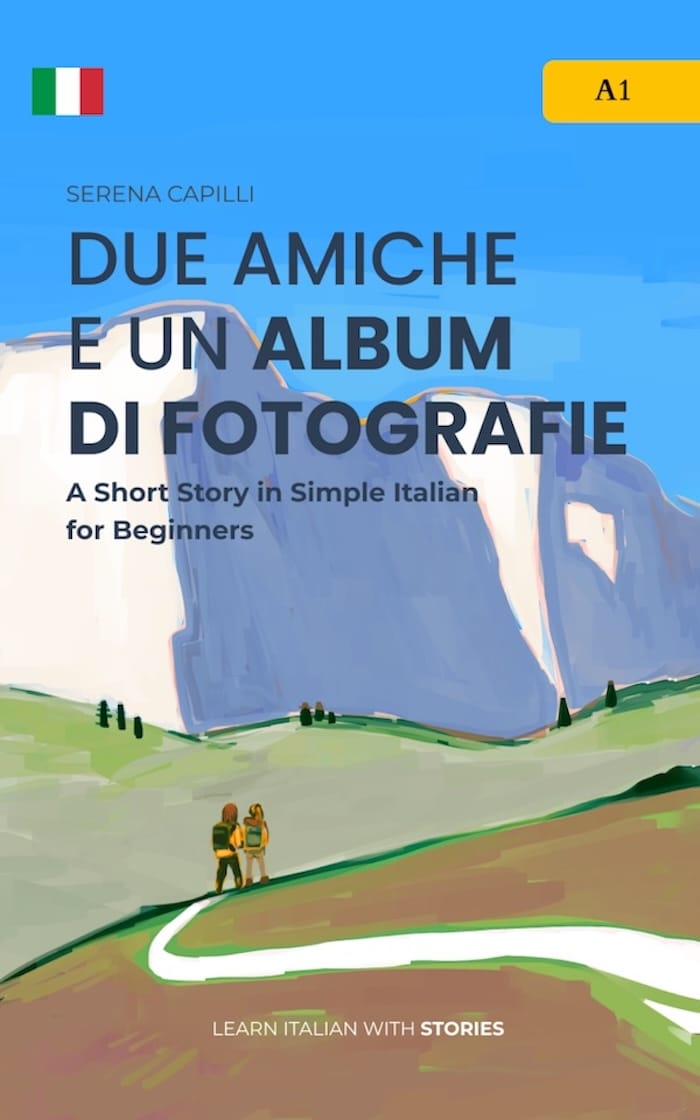
Due Amiche e un Album di Fotografie
Level A1
Two friends, an old photo album and a trip through southern Italy.
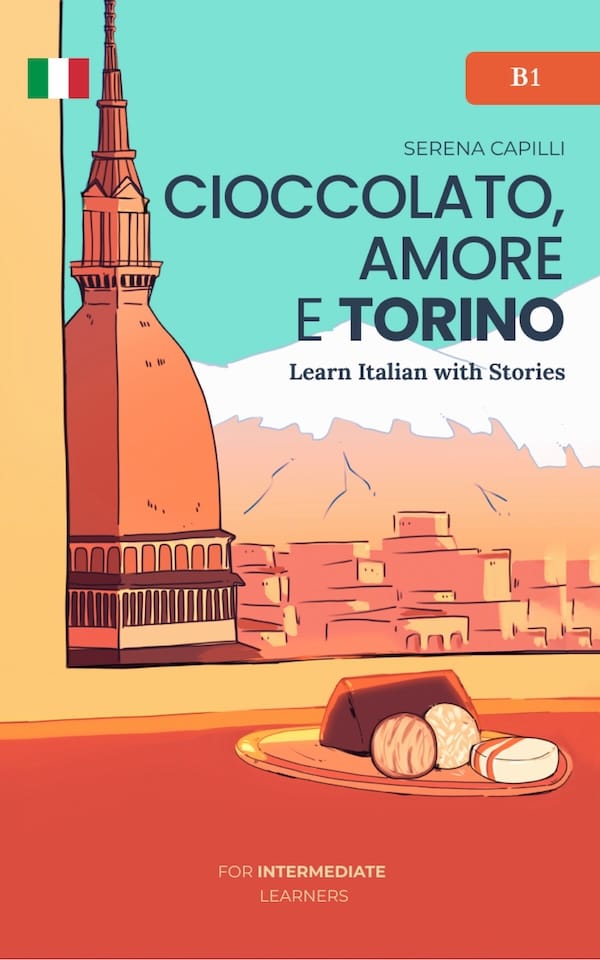
Cioccolato, Amore e Torino
Level B1+
Marie’s journey continues in Turin, between love, creativity and chocolate.

7 Romance Short Stories in Italian
Level B1/B2
Seven stories about love and everyday life, full of natural conversations.
Read more: Best Italian short stories for beginners · Learn Italian naturally through stories