Learning to conjugate verbs is what turns a list of words into real sentences. The good news: Italian verbs follow clear patterns, and once you see them, you can conjugate hundreds of verbs on your own. Here’s how it works, step by step.
In short
- Italian verbs end in -are, -ere or -ire. Remove the ending to find the stem: parl-are.
- Add a different ending for each person: parlo, parli, parla, parliamo, parlate, parlano.
- The ending tells you who’s talking, so Italians usually drop the subject pronoun: Parlo italiano.
- Learn the big four irregular verbs first: essere, avere, andare, fare.
- The Italian present covers both “I speak” and “I’m speaking”.
What is conjugation?
Conjugating means changing the form of a verb to match its subject. In English, the verb barely changes: I speak, we speak, they speak. In Italian, every person has its own ending: parlo, parliamo, parlano. That’s why Italians can drop the subject: the verb already says who it is.
Step 1: know your subject pronouns
| Italian | English |
|---|---|
| io | I |
| tu | you (informal) |
| lui / lei | he / she |
| Lei | you (formal) |
| noi | we |
| voi | you (plural) |
| loro | they |
Lei with a capital L is the formal “you”. It takes the same verb form as lei (she). More in my guide to the Italian polite form.

Ciao, I'm Serena
I'm a certified Italian teacher from Sicily, and I live in Rome. Since 2016 I've been teaching Italian online to English-speaking adults, through stories and comprehensible input. My graded readers grew out of those lessons: short stories in real, culturally rich Italian, with exercises and audio, so you can bring together and activate the grammar and vocabulary you already know. I believe this is the most effective way to learn a language, and to make learning it part of your lifestyle.
Step 2: find the stem and add the endings
Remove -are, -ere or -ire from the infinitive and add the endings. Here is the present tense of the three groups:
| parlare (to speak) | scrivere (to write) | dormire (to sleep) | finire (to finish) | |
|---|---|---|---|---|
| io | parlo | scrivo | dormo | finisco |
| tu | parli | scrivi | dormi | finisci |
| lui / lei | parla | scrive | dorme | finisce |
| noi | parliamo | scriviamo | dormiamo | finiamo |
| voi | parlate | scrivete | dormite | finite |
| loro | parlano | scrivono | dormono | finiscono |
Two spelling tips: verbs in -care and -gare add an h to keep the hard sound (cerchi, paghiamo), and verbs in -iare don’t double the i (mangi, studi). Practice the -isc- verbs with my guide to -isc verbs and the most useful -are verbs with this list.
Step 3: learn the irregular verbs
A few very common verbs don’t follow the rules. Start with these four, because you’ll use them every day:
| essere (to be) | avere (to have) | andare (to go) | fare (to do, make) | |
|---|---|---|---|---|
| io | sono | ho | vado | faccio |
| tu | sei | hai | vai | fai |
| lui / lei | è | ha | va | fa |
| noi | siamo | abbiamo | andiamo | facciamo |
| voi | siete | avete | andate | fate |
| loro | sono | hanno | vanno | fanno |
Then move on to the others in my guide to Italian irregular verbs. Want a list to practice with? Here are the 60 most common Italian verbs, plus my guides to -ere verbs and -ire verbs.
Questions and negatives
This part is easier than in English: no “do” or “does”.
- Parli inglese?
Do you speak English? (A question is just your tone of voice.) - Viaggia spesso?
Does she travel often? - Non parla inglese.
He doesn’t speak English. (Just put non before the verb.) - Non viaggiamo spesso.
We don’t travel often.
Beyond the present: the tenses you’ll need
| Tense | Used for | Example (parlare, io) |
|---|---|---|
| Presente | now, habits, near future | parlo (I speak, I’m speaking) |
| Passato prossimo | finished actions in the past | ho parlato (I spoke, I have spoken) |
| Imperfetto | descriptions and habits in the past | parlavo (I was speaking, I used to speak) |
| Futuro semplice | the future, guesses | parlerò (I will speak) |
| Condizionale | polite requests, wishes | parlerei (I would speak) |
| Congiuntivo presente | opinions, doubts, wishes | (che io) parli |
Next steps: passato prossimo, imperfetto, future, conditional, congiuntivo.
How I’d learn conjugations
- Learn the present first, really well, before moving on.
- Say the forms out loud, always with a short sentence: parlo italiano, parli inglese.
- Notice verbs when you read. Underline them in a story and ask yourself: who is doing this? when?
- Use them right away: write three sentences about your day with new verbs.
Practice
Conjugate the verb in the present tense, then open the answers.
- (noi) parlare
- (tu) scrivere
- (loro) dormire
- (lei) capire
- (voi) essere
- (io) fare
Show the answers
- parliamo
- scrivi
- dormono
- capisce
- siete
- faccio
Practice with my stories
Reading is the easiest way to see conjugations in action. My stories for beginners use the present tense and everyday verbs, in short chapters.
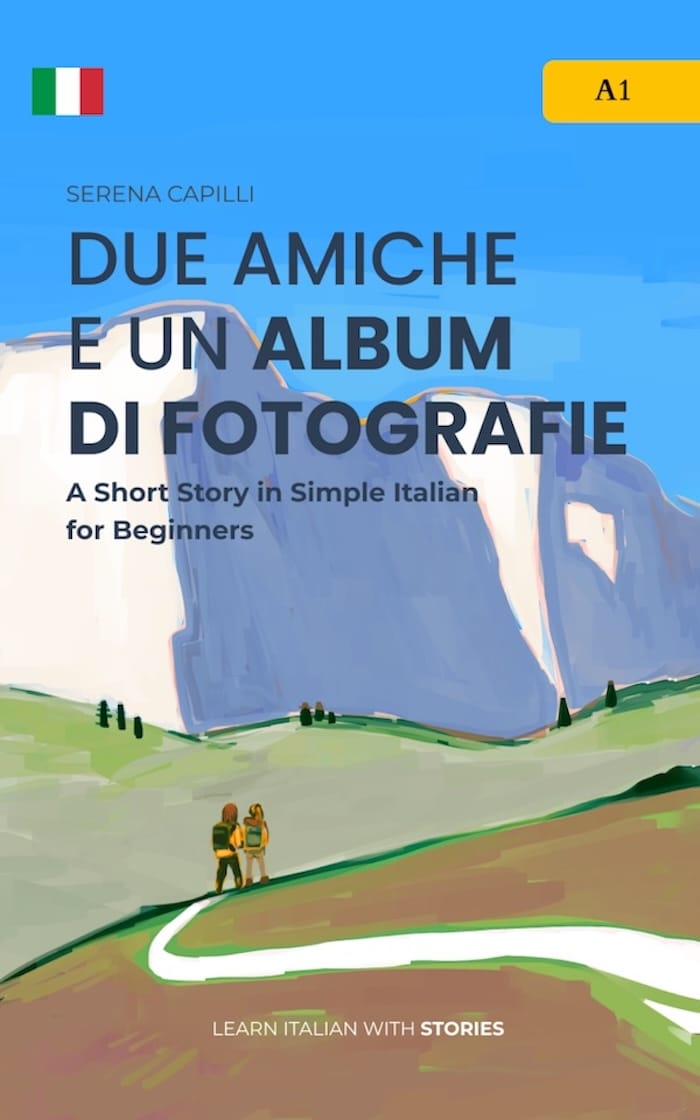
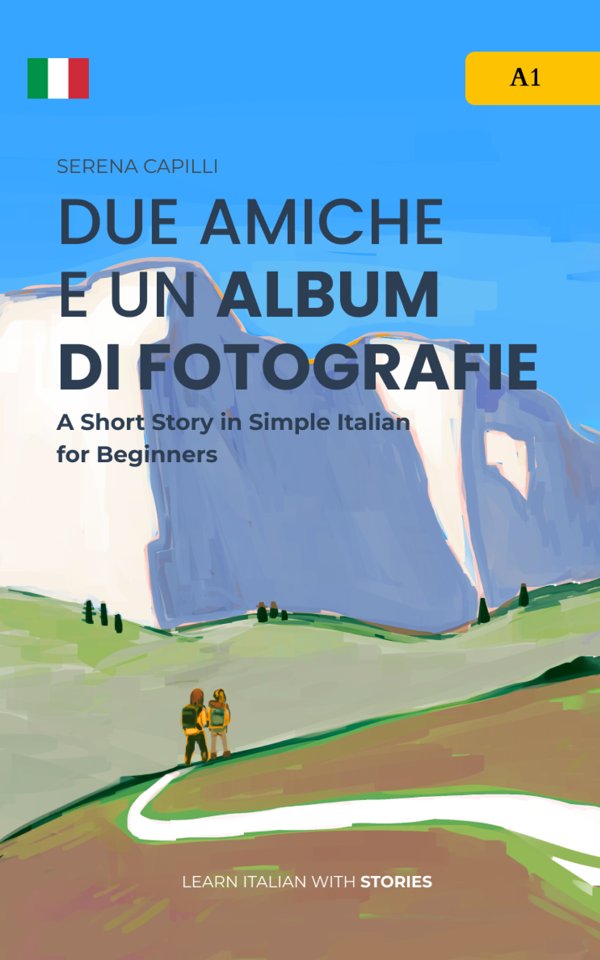
Due Amiche e un Album di Fotografie
Level A1
Two friends, an old photo album and a trip through southern Italy.

Frequently asked questions
How do you conjugate verbs in Italian?
Take the infinitive, remove the ending (-are, -ere or -ire) to find the stem, then add the ending for each person. In the present tense, parlare becomes parlo, parli, parla, parliamo, parlate, parlano.
What are the three verb groups in Italian?
Verbs ending in -are (parlare), -ere (scrivere) and -ire (dormire). Each group has its own set of endings, and some -ire verbs add -isc-, like finire: finisco.
Do you need subject pronouns in Italian?
Usually not. The ending already tells you who is doing the action, so Italians say parlo, not io parlo, unless they want to stress the subject.
What are the most important irregular verbs in Italian?
Essere, avere, andare and fare are the first ones to learn, followed by venire, dire, potere, volere, dovere and sapere.
How many tenses are there in Italian?
Beginners need the presente, passato prossimo, imperfetto and futuro first. Later come the condizionale and the congiuntivo.