I started teaching Italian as a foreign language in the winter of 2015 as a side job on an online platform. For some reason, I got a lot of requests from native English speakers in the US, and most of them were advanced beginners or lower intermediates.
And they wanted to speak. They hated grammar drills. Actually, they hated grammar, period.
But Italian is a Latin language, and knowing its grammar makes it predictable. So they wanted to speak, but they didn’t have the grammar and vocabulary to go further. What do you talk about after the usual tried-and-true topics, like your job, your family, or your last trip to Italy?
The conversation prompts were boring and didn’t take the conversation very far. I felt frustrated, and my students did too. One day, I recalled a linguistics university class about something called comprehensible input, and everything changed. That’s how Italian graded readers became the heart of my lessons.
Ciao, I'm Serena
I'm a certified Italian teacher from Sicily, and I live in Rome. Since 2016 I've been teaching Italian online to English-speaking adults, through stories and comprehensible input. My graded readers grew out of those lessons: short stories in real, culturally rich Italian, with exercises and audio, so you can bring together and activate the grammar and vocabulary you already know. I believe this is the most effective way to learn a language, and to make learning it part of your lifestyle.
What is comprehensible input?
Comprehensible input is language you can understand even when it contains words and structures you don’t know yet, because the context fills in the gaps. The idea comes from linguist Stephen Krashen, who argued that we acquire a language by understanding messages, not by memorizing rules. The best input is “comprehensible”, meaning it sits just a little above your current level: not too easy, not too difficult.
The day I found a graded reader in Rome
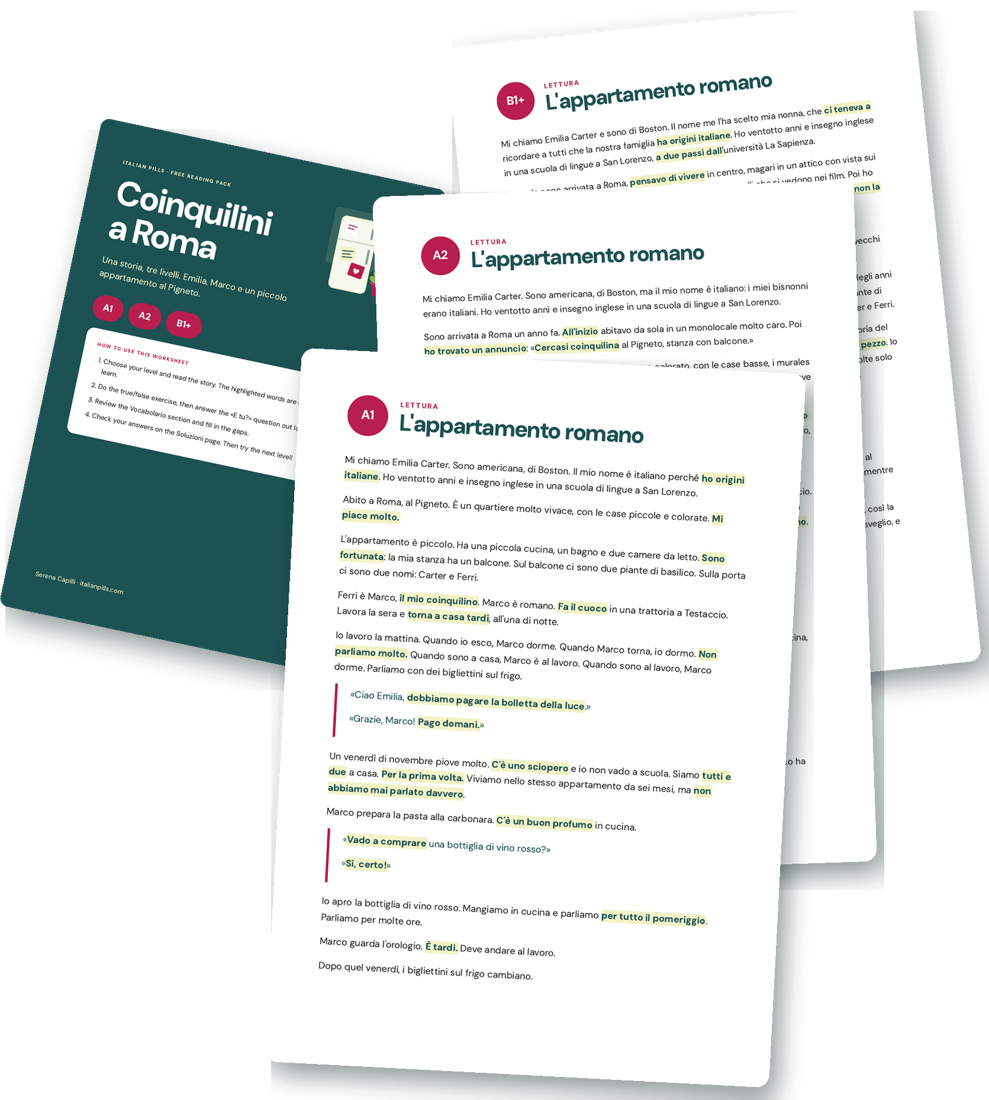
One day I was browsing a bookstore in Rome and stumbled upon a graded reader (a story written in very simple Italian, with controlled grammar and vocabulary). I skimmed through it. The chapters were short, the vocabulary and grammar were super easy, and it came with audio. It also had pictures and an online version.
So I asked my students to get a copy.
And I gave them this task: read a chapter, underline the new words and write new sentences with them… and that’s where the MAGIC happens: we talk about it, with my prompts.
The book was Amore e cappuccino (Alma Edizioni), and my questions sounded like this:
Chi è Karen?
Perché viaggia in Italia?
Che colori vede?
Chi è Claudio?
Perché prende un cappuccino in un bar davanti al Colosseo?
(Who is Karen? Why is she traveling in Italy? What colors does she see? Who is Claudio? Why is she having a cappuccino at a bar in front of the Colosseum?)
And so on.
Then I started using the same approach at every level. All it takes is choosing the right story for your level. If you don’t know which one to choose (there’s a plethora of great graded readers out there), just email me and I’ll point you in the right direction.
Why Italian graded readers are my go-to tool for speaking
Testing this approach with students at different levels (from beginners to upper intermediate) showed me it was a great way to build students’ speaking skills. Learning Italian with stories is the best way to learn vocabulary, patterns, and natural, near-native sentence building. You’re not learning from a list but in the context of a story, with images and visuals. When you retell the story, you don’t have to invent anything. You repeat and rephrase what you’ve read, and little by little the words become yours.
What are chunks?
Chunks are groups of words that native speakers use together, as one block: come ogni mattina, lo giuro, si lava i denti. The idea comes from linguist Michael Lewis and his Lexical Approach. You don’t build a chunk word by word, you learn it whole. That’s what makes you sound natural: when you speak, you don’t have time to translate and assemble every single word, but you can pull out a ready-made chunk.
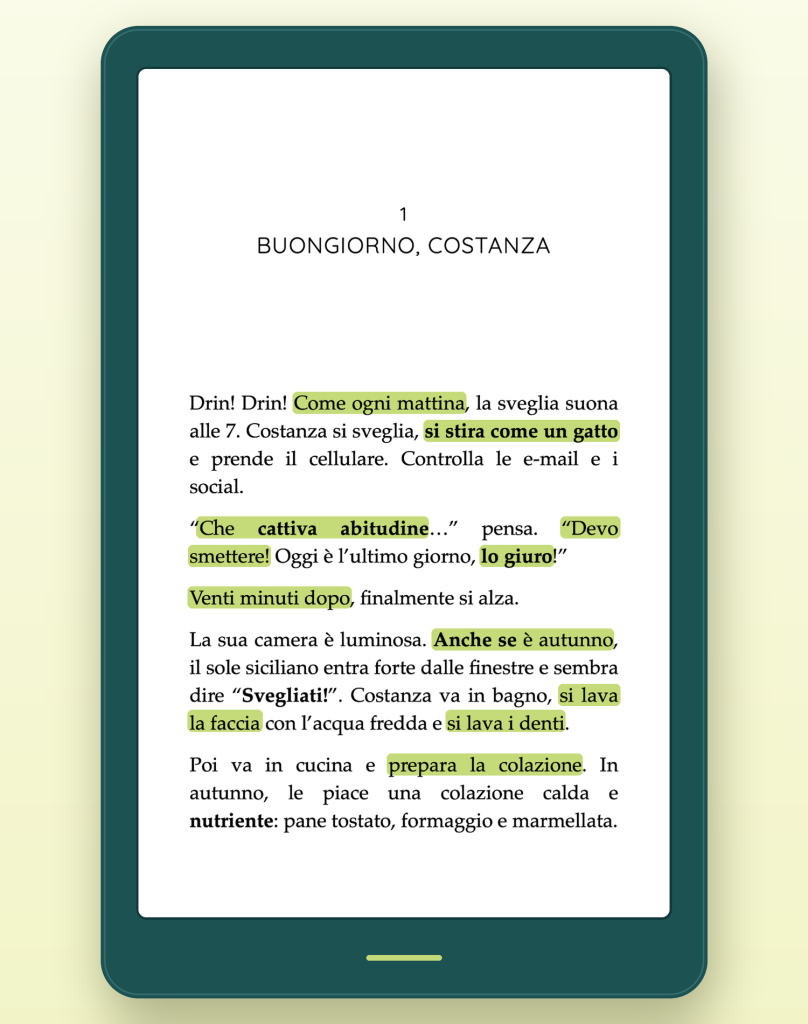
Stories are full of chunks, and they come with context. On this page of Due Amiche e una Bufera di Neve, Costanza’s morning routine gives you time expressions (come ogni mattina, venti minuti dopo), everyday verbs (si lava la faccia, prepara la colazione) and the things we really say to ourselves (che cattiva abitudine, devo smettere, lo giuro).
That’s why I ask my students to underline the whole chunk, not the single word. Abitudine alone is just vocabulary. Che cattiva abitudine is something you can say tomorrow.
When you read or listen to a story at your level, you get new exposure to the grammar and vocabulary you’ve studied in your textbook. You also get varied exposure: you see the same word or structure in different contexts.
Most graded readers also include an audiobook, so you can read and listen at the same time and turn your Italian reading practice into listening practice too.
Why the right level matters
Most learners make this mistake: they use content that is either too easy or too difficult. But we learn when something is just right, challenging enough but not overwhelming. That’s what comprehensible input is, and graded readers fall right into this category.
They’re written at different levels, so you can move gradually from A1 to A1+, A2 and beyond. One of my students started at A1 and is now reading B2 books.
What I’ve seen in my students
I’ve seen that this method gives structure, varied contexts and words in context. It triggers curiosity and stretches students’ ability to speak. You’re not talking about yourself all the time. You’re not recycling the vocabulary and verbs you feel comfortable with. You’re talking about the characters, the places and the story. You’re conjugating verbs in the past tenses. You’re making hypotheses about different endings. And because it’s a short book in accessible Italian, it’s easy to come back to.
Paul’s story
Paul is a 64-year-old student from Michigan. He started learning Italian with me three years ago, and the first graded reader he used was at A1 level. Now we read solid B1–B2 books.
This is how he works with the stories: he reads a chapter, listens to it and writes a short summary in simple Italian, which I correct before class. The class is story-based and revolves around my questions about the story and using the new vocabulary to make new sentences. The conversation isn’t casual: it reinforces what he has already studied. Talking about a story pushes the student to reactivate what they know, to open the drawer where they stored it and use it with different tenses and vocabulary.
I correct his writing, not his speaking. In class I don’t stop him to fix every mistake, so he doesn’t freeze up and the conversation keeps flowing. The mistakes we work on are the ones in his written summary.
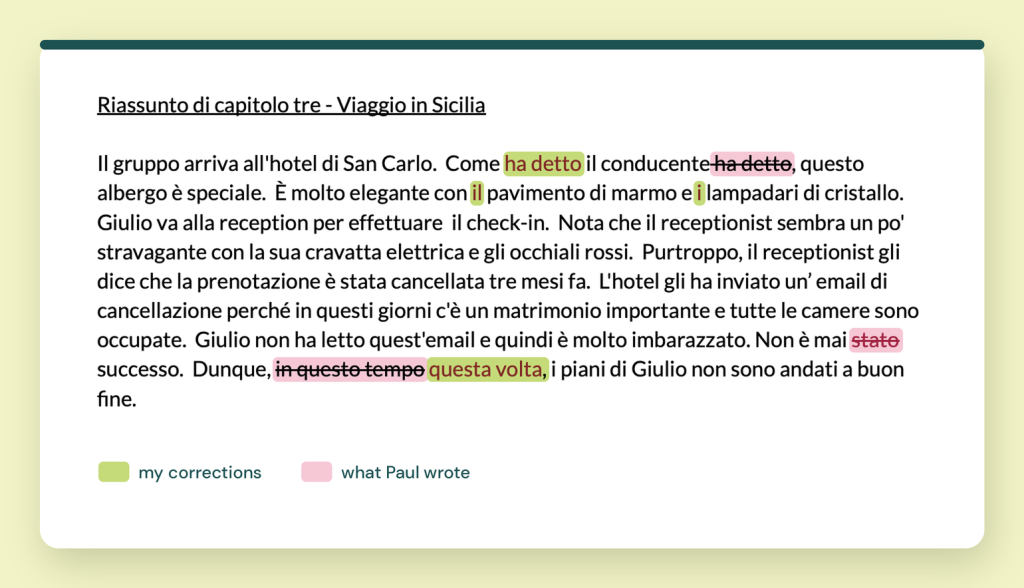
Today Paul is at a solid upper-intermediate level, fluent and confident. We haven’t used this method in every course, but it has been the core of our lessons, especially when he was a lower intermediate.
Teachers and schools using graded readers
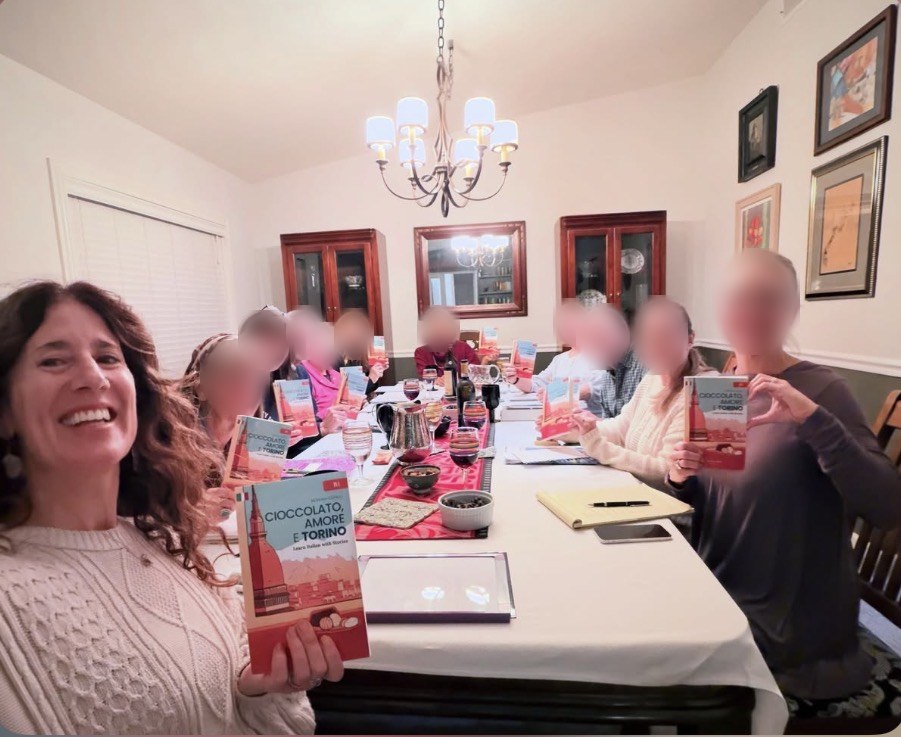
Language is a tool, not an end. This method has been used successfully by groups in the US, for example, where they read and talk about the story together. It’s a great way to give structure to speaking classes.
How to get started
- Choose a text at your level. It should feel slightly challenging, but not frustrating.
- Read without stopping at every word. Follow the story first and look things up later.
- Reread. The second time, underline new words and write a few sentences of your own.
- Talk about it. Retell the chapter out loud, to a teacher, a friend or yourself.
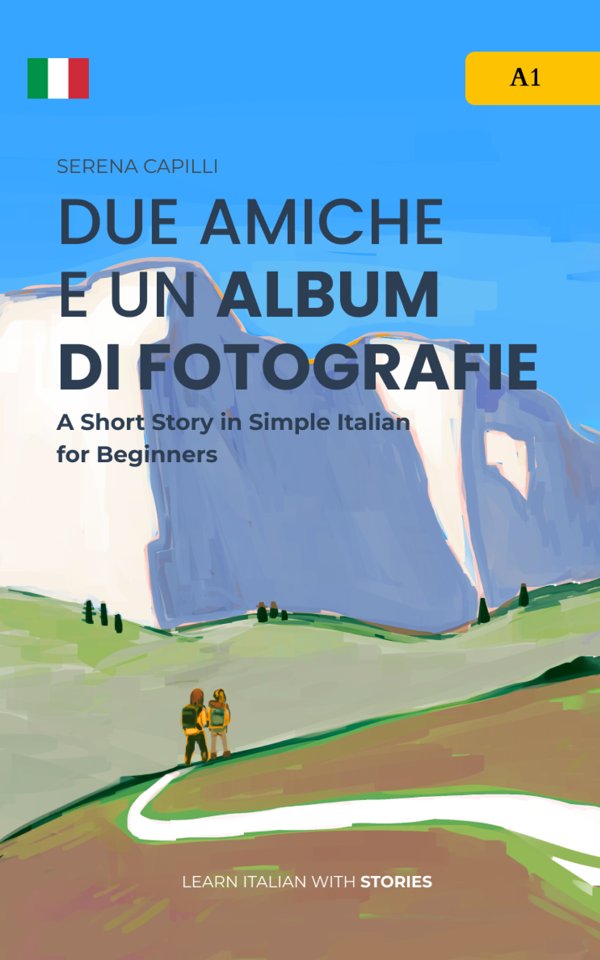
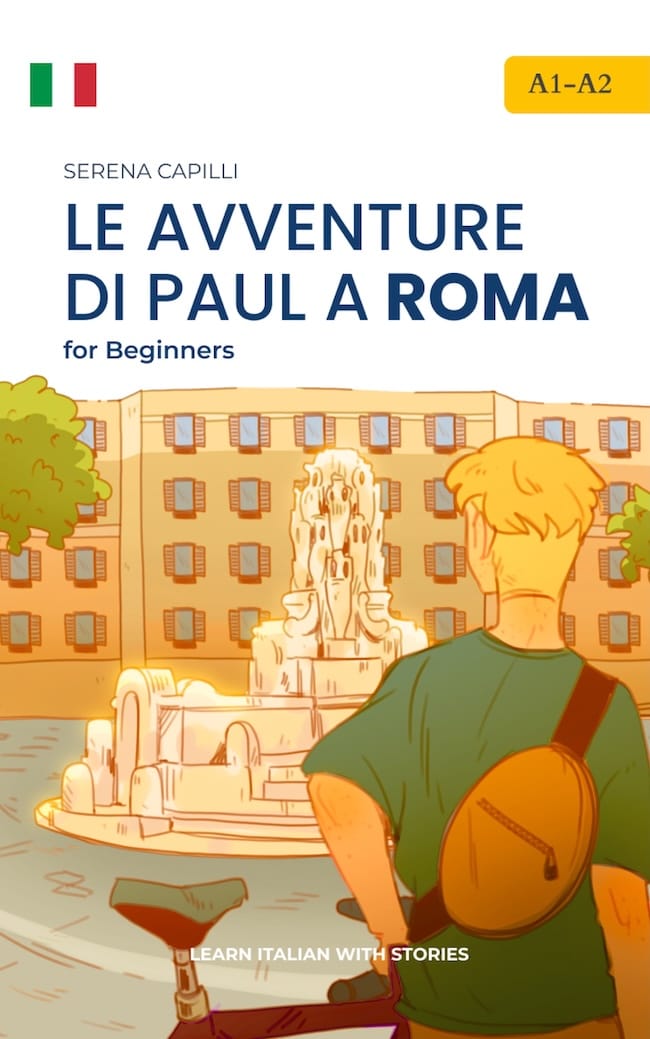
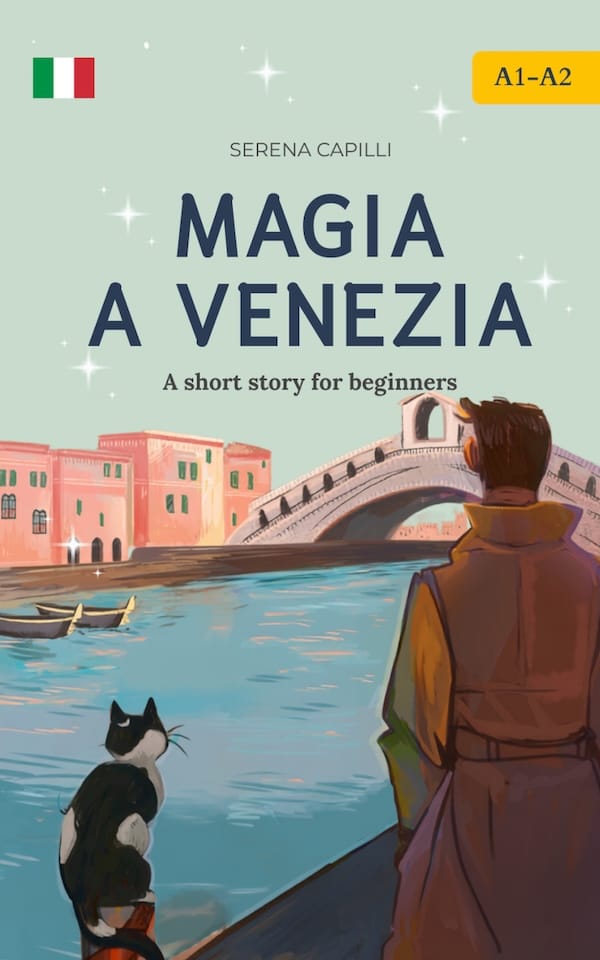
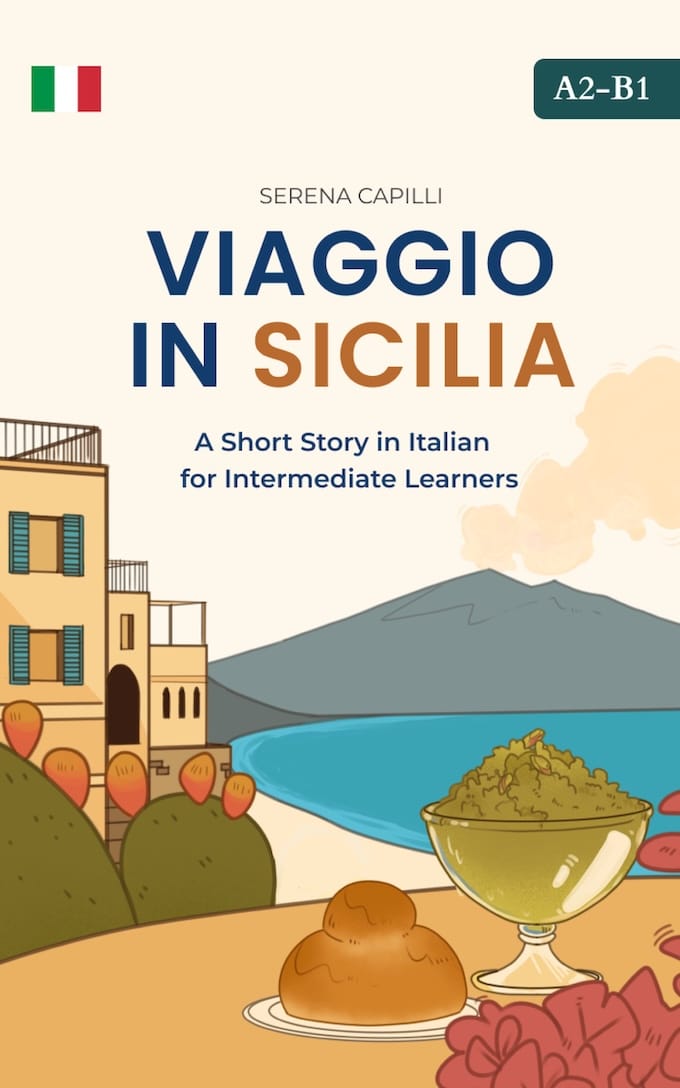
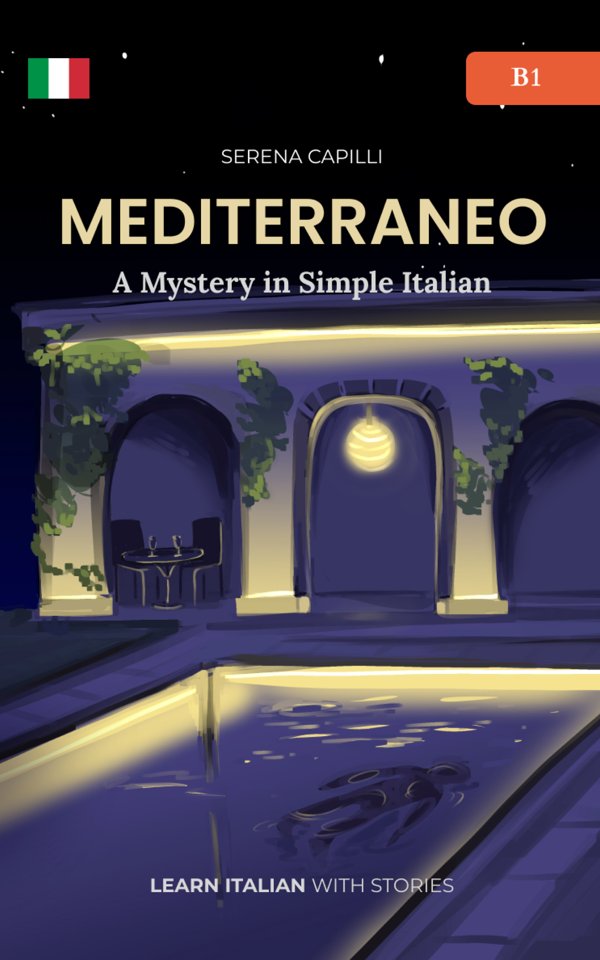
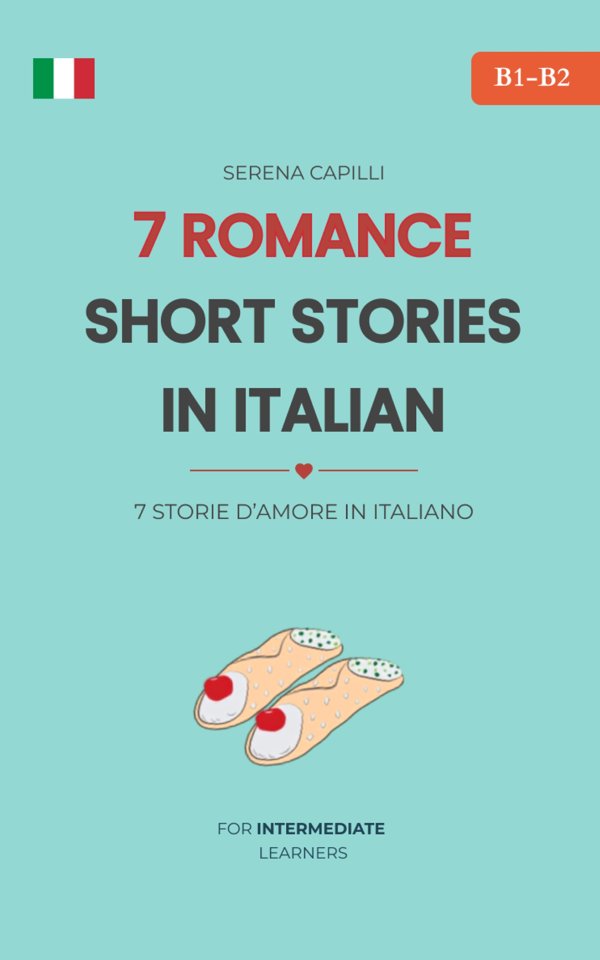
Find your level: browse my Italian graded readers from A1 to B2, or join the newsletter for reading tips and exclusive word games.
About me
I’m Serena Capilli, a certified Italian teacher (University of Venice). I’ve been teaching Italian online since 2015, I speak eight languages, I write graded readers that have sold over 30,000 copies, and I host Piazzetta Italiana, a slow Italian podcast.
FAQ
What are Italian graded readers?
They are stories written for learners at a specific CEFR level, from A1 to B2. Vocabulary and grammar are controlled, so you can follow the story without translating every word.
Are graded readers good for beginners?
Yes. A1 readers use short chapters, simple sentences and everyday vocabulary, often with audio. They’re one of the easiest ways to start reading in Italian.
Can graded readers help me speak Italian, not just read it?
Yes, if you use the story as a starting point for conversation. Retelling chapters and answering questions about the characters gives you something real to talk about, using words you’ve just seen in context.
What is comprehensible input?
It’s language you can understand thanks to the context, even if it’s slightly above your level. The term comes from linguist Stephen Krashen, and graded readers are a classic example of it.