When learning Italian, telling che and chi apart can be tricky. They look similar and can both translate as “who,” but they have different jobs and are not interchangeable. Let’s see when to use each one.
In short
- Che = that, which, who, connecting a noun to the rest of the sentence: la ragazza che parla italiano
- Che = what (which) in questions and exclamations: Che film hai visto? Che bello!
- Che = that after verbs like penso, so, spero: Penso che sia vero.
- Chi = who, only for people, in questions: Chi ha telefonato?
- Chi = whoever, the person who: Chi studia, impara.
When to use che
Che has several uses. The most important ones are:
1. Relative pronoun: that, which, who
It connects a noun (a person or a thing) to a sentence that describes it. It never changes.
| Italian | English |
|---|---|
| Il libro che ho letto è bellissimo. | The book (that) I read is beautiful. |
| La ragazza che parla italiano è mia cugina. | The girl who speaks Italian is my cousin. |
In English you can often drop “that” (“the book I read”). In Italian, che can never be dropped.
2. In questions and exclamations: what, which, what a
| Italian | English |
|---|---|
| Che film hai visto? | What movie did you see? |
| Che colore preferisci? | What color do you prefer? |
| Che fai stasera? | What are you doing tonight? |
| Che bella giornata! | What a beautiful day! |
3. Conjunction: that
After verbs like pensare, sapere, dire, sperare, che introduces a new sentence, like “that” in English:
| Italian | English |
|---|---|
| Penso che tu abbia ragione. | I think (that) you’re right. |
| So che sei stanco. | I know (that) you’re tired. |
When to use chi
Chi means “who” and refers only to people. It’s used:
1. In questions: who, whom
| Italian | English |
|---|---|
| Chi ha telefonato? | Who called? |
| Chi ha preso il mio libro? | Who took my book? |
| Con chi esci stasera? | Who are you going out with tonight? |
| Di chi è questa borsa? | Whose bag is this? |
It also works in indirect questions: Non so chi sia. (I don’t know who he is.)
2. Whoever, the person who
On its own, without a noun before it, chi means “whoever” or “people who.” The verb is always singular.
| Italian | English |
|---|---|
| Chi studia, impara. | Whoever studies, learns. |
| Chi dorme non piglia pesci. | The early bird catches the worm. (literally: “Whoever sleeps doesn’t catch fish.”) |
| C’è chi preferisce il mare. | Some people prefer the sea. |
The most common mistake
English speakers often use chi after a noun, because in English it’s “the person who…”. In Italian, after a noun you always need che:
- ✅ La persona che ho visto ieri… (The person who I saw yesterday…)
- ❌ La persona chi ho visto ieri…
Remember: if there’s a noun right before it, use che. Use chi only in questions or when it means “whoever.”
Quick practice
Frequently asked questions
What is the difference between che and chi in Italian?
Che connects a noun to the rest of the sentence (la ragazza che parla) and means “what” in questions. Chi means “who” and is used only for people, in questions (Chi è?) or to mean “whoever” (Chi studia, impara).
Can chi be used as a relative pronoun after a noun?
No. After a noun, Italian always uses che (or cui after a preposition): la persona che ho visto, never la persona chi ho visto.
How do you say “whose” in Italian?
In questions, di chi: Di chi è questo libro? (Whose book is this?)
Che and chi are everywhere in real Italian conversations. Reading stories is the easiest way to get them right without thinking. Here are three of mine, with audio:
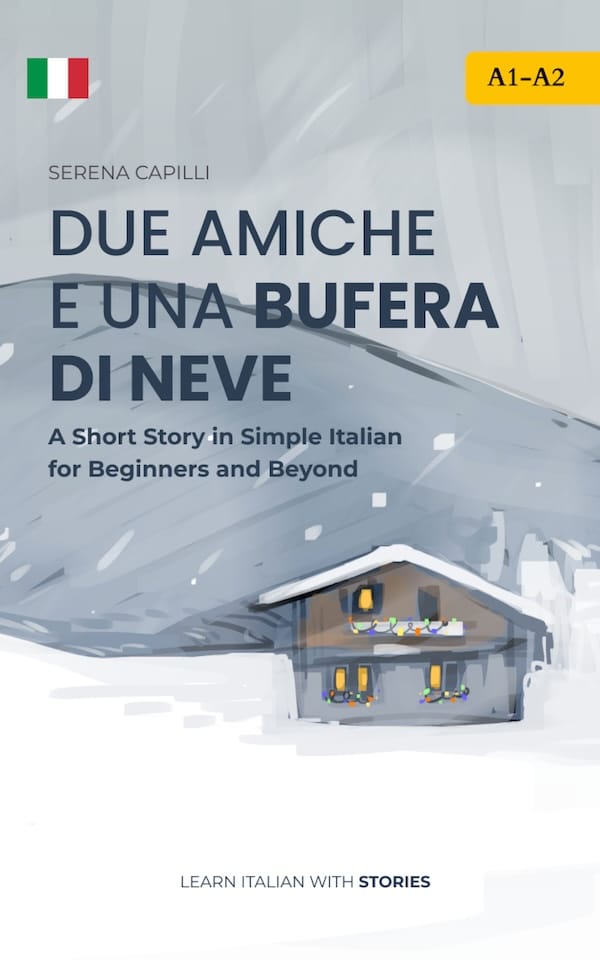
Due Amiche e una Bufera di Neve
Level A1/A2
Costanza and Anna get stuck in a snowstorm, with a surprise.
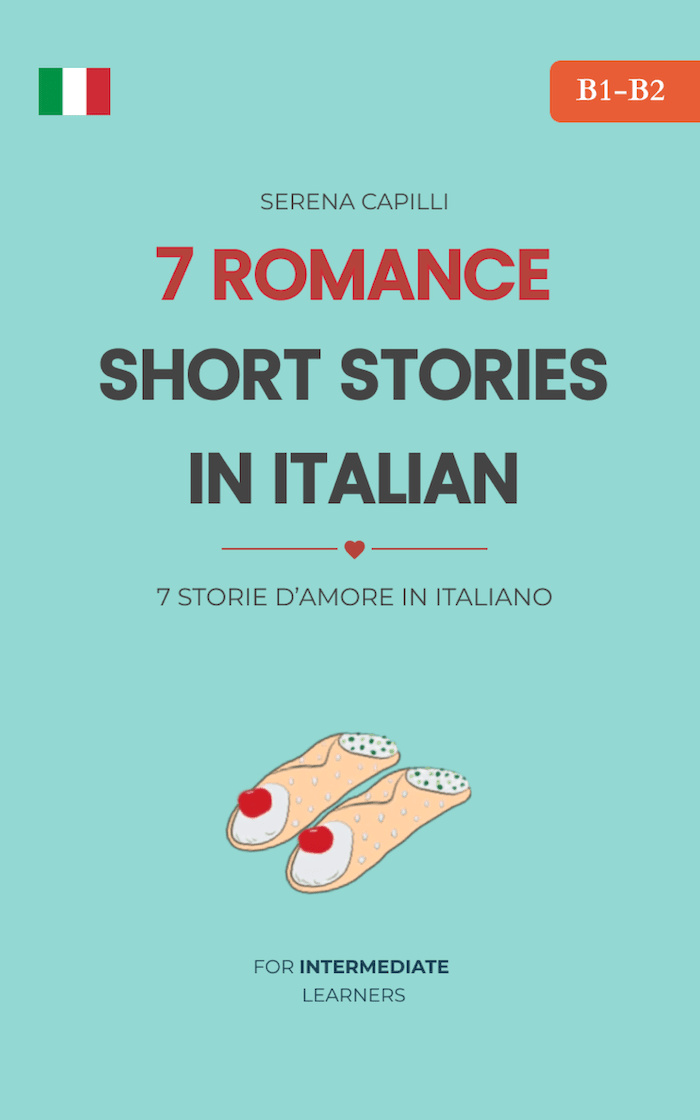
7 Romance Short Stories in Italian
Level B1/B2
Seven stories about love and everyday life, full of natural conversations.
Read more: che or di in comparisons? · Italian direct object pronouns