Magari is a very Italian word. It can mean “maybe”, but it’s never just “maybe”: it carries hope, excitement or a bit of wishful thinking. Here are all the ways Italians use it, with examples.
In short
- Magari + indicative = maybe, hopefully: Magari andiamo a Cortina!
- Magari! alone = I wish! / I’d love to!
- Magari + congiuntivo imperfetto = if only: Magari potessi!
- Use forse for a neutral maybe, magari when you hope it happens.
- It comes from the Greek makários, “happy, blessed”.
The meanings of magari at a glance
| Use | Structure | English | Example |
|---|---|---|---|
| Hopeful maybe | magari + indicative | maybe (I hope) | Magari domani c’è il sole. |
| Reaction | Magari! | I wish! / I’d love to! | “Vieni in Sicilia?” “Magari!” |
| Wish for now | magari + congiuntivo imperfetto | if only | Magari avessi più tempo! |
| Regret about the past | magari + congiuntivo trapassato | if only I had | Magari l’avessi saputo prima! |
| Gentle suggestion | magari + indicative | maybe, perhaps | Magari ci sentiamo domani? |
1. Magari as “maybe” (with hope)
With the indicative, magari means “maybe”, especially when you’re excited about the possibility.
- Forse andiamo a sciare a Cortina.
Maybe we’re going skiing in Cortina. (neutral) - Magari andiamo a sciare a Cortina!
Maybe we’re going skiing in Cortina! (I really hope so)
It comes from the Greek word makários, meaning happy or blessed, and it still carries that positive feel.
2. Magari! as a reaction: “I wish!”
On its own, Magari! means “I wish!” or “I’d love to!”
- “Vuoi venire con me alla mostra?” “Magari!“
“Do you want to come to the exhibit with me?” “I’d love to!” - “Parli bene italiano?” “Magari!“
“Do you speak Italian well?” “I wish!”
3. Magari + subjunctive: “if only”
Followed by the congiuntivo imperfetto, magari means “if only”: a wish that is unreal or unlikely right now.
- Magari potessi parlare italiano perfettamente!
If only I could speak Italian perfectly! - Magari vivessi a Roma!
If only I lived in Rome!
For a regret about the past, use the congiuntivo trapassato:
- Magari l’avessi saputo prima!
If only I had known before! - Magari fossi venuta anch’io!
If only I had come too!
4. Magari to soften a suggestion
Italians also use magari to make a suggestion sound less pushy, a bit like “maybe” or “perhaps” in English.
- Magari ci sentiamo domani?
Maybe we can talk tomorrow? - Magari prova a chiamarlo.
Maybe try calling him.
Magari vs forse
| forse | magari | |
|---|---|---|
| Tone | neutral: you don’t know | hopeful: you’d like it to happen |
| Example | Forse vado al cinema. | Magari vado al cinema! |
| Alone | Forse. (Maybe.) | Magari! (I wish!) |

Practice
Complete the sentences, then open the answers.
- “Hai vinto alla lotteria?” “___!”
- Magari ___ (io, avere) una casa al mare!
- Magari ___ (tu, venire) alla festa ieri!
- ___ piove domani, non lo so. (neutral)
Show the answers
- Magari!
- avessi
- fossi venuto/a
- Forse
Dive deeper: congiuntivo imperfetto, how to use the congiuntivo, anzi, cioè.
Practice with my stories
Words like magari are all about tone, and tone is easiest to learn from real dialogue. Stories at your level are a great place to start.
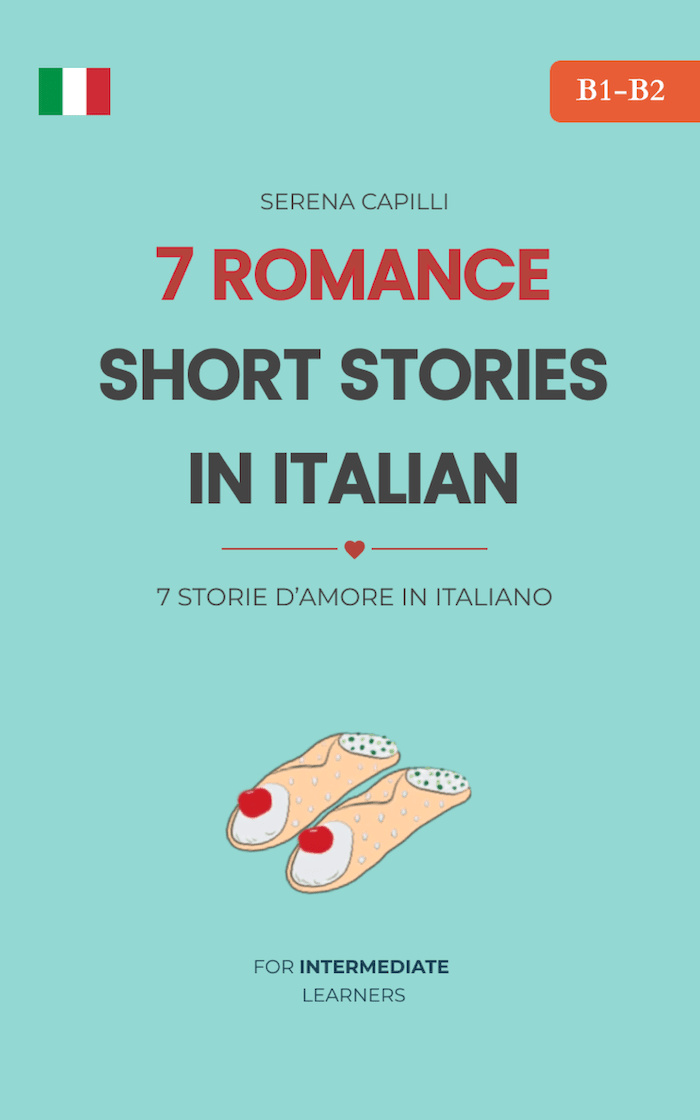
7 Romance Short Stories in Italian
Level B1/B2
Seven stories about love and everyday life, full of natural conversations.
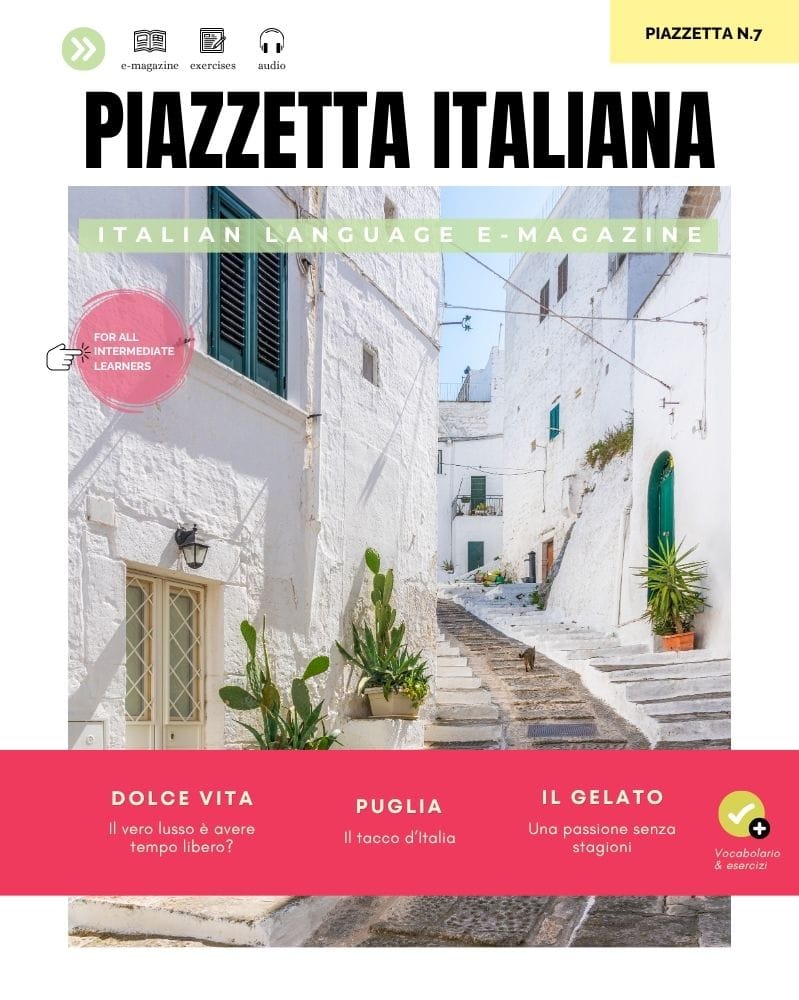
Piazzetta Italiana
Level A2/B1
My magazine for learners: real articles about Italian culture and everyday life, with vocabulary and audio.
Frequently asked questions
What does magari mean in Italian?
Magari means maybe with a hopeful tone, I wish! as a reaction, or if only when followed by the subjunctive: Magari fossi in vacanza!
What is the difference between magari and forse?
Both can mean maybe, but forse is neutral, while magari adds hope or enthusiasm. Forse vado al mare is a simple possibility; Magari vado al mare means you’d really like to.
How do you use magari with the subjunctive?
Use magari + congiuntivo imperfetto for a wish about now (Magari avessi tempo!) and magari + congiuntivo trapassato for a regret about the past (Magari l’avessi saputo!).
How do you answer with magari?
Magari! on its own means I wish! or I’d love to! “Do you speak Italian perfectly?” “Magari!”
Where does the word magari come from?
From the Greek makários, meaning happy or blessed, which is why it still sounds positive.