In my experience as an Italian teacher, riuscire is one of the verbs English speakers struggle with most. The reason is simple: both potere and riuscire are often translated as “can.” But using one or the other changes the message you’re sending, so it’s worth understanding the difference.
In short
- Potere = can, may: something is possible or allowed (rules, permission, circumstances): Non posso bere, devo guidare.
- Riuscire a + infinitive = to manage to, to be able to in practice: it depends on your effort or capacity: Non riesco a dormire.
- Sapere + infinitive = to know how to (a skill you learned): So nuotare.
- In the past, sono riuscito/a = I managed to, I succeeded: Ci sono riuscita!
Potere vs riuscire: the difference
Potere says that something is possible or allowed. What stops you is outside you: a rule, a permission, a situation, a commitment.
Riuscire says whether you manage to do something. What stops you is inside you: your strength, your skills, your emotions, your concentration.
| Potere: possible, allowed | Riuscire: managing to do it |
|---|---|
| Non posso bere alcol: devo guidare. I can’t drink: I have to drive. | Non riesco a bere tutto questo vino! I can’t (manage to) drink all this wine! |
| Non posso mangiare frutti di mare: sono allergica. I can’t eat seafood: I’m allergic. | Non riesco a mangiare frutti di mare: mi fanno impressione. I can’t bring myself to eat seafood: it grosses me out. |
| Non posso dirlo: è un segreto. I can’t say it: it’s a secret. | Non riesco a dirlo: è troppo difficile per me. I can’t bring myself to say it: it’s too hard for me. |
Verbs that often go with riuscire
Some verbs naturally go with riuscire, because they depend on your mental or physical capacity. Watch for these patterns when you read or listen:
| Italian | English |
|---|---|
| Non riesco a capire. | I can’t understand. |
| Non riesco a dormire. | I can’t sleep. |
| Non riesco a ricordare il suo nome. | I can’t remember his name. |
| Non riesco a camminare così veloce. | I can’t walk that fast. |
| Non riesco a parlare in pubblico. | I can’t speak in public. |
| Riesci a sentirmi? | Can you hear me? |
Riuscire in the positive: to manage, to succeed
The confusion with potere is strongest in the negative. In the positive, riuscire usually means “to manage to,” “to succeed,” “to make it”:
| Italian | English |
|---|---|
| Sono riuscita a passare l’esame al primo tentativo! | I managed to pass the exam on the first try! |
| Sono riuscito a correre per 60 minuti! | I managed to run for 60 minutes! |
| Non sono riuscito a finire i compiti. | I couldn’t finish my homework. |
And sapere? Know how to
There’s a third “can” in Italian: sapere + infinitive, for a skill you’ve learned.
| Verb | Italian | English |
|---|---|---|
| sapere | So nuotare. | I can swim. (I know how) |
| riuscire | Riesco a nuotare per due chilometri. | I can (manage to) swim two kilometers. |
| potere | Posso nuotare qui? | Can I swim here? (Is it allowed?) |
How to conjugate riuscire
Riuscire is ri + uscire, so even though the meaning is different, it follows the same irregular conjugation as uscire. In the passato prossimo it takes essere.
| Present | Passato prossimo | |
|---|---|---|
| io | riesco | sono riuscito/a |
| tu | riesci | sei riuscito/a |
| lui / lei / Lei | riesce | è riuscito/a |
| noi | riusciamo | siamo riusciti/e |
| voi | riuscite | siete riusciti/e |
| loro | riescono | sono riusciti/e |
Remember the pattern: riuscire a + infinitive: Riesco a vederti.
For intermediate learners: ci sono riuscito
Since riuscire is followed by a + infinitive, you can replace that part with ci, just like with pensare a or credere a. You’ll hear it all the time:
| Italian | English |
|---|---|
| Sei riuscito a capire? Sì, ci sono riuscito. | Did you manage to understand? Yes, I did. |
| Hai passato l’esame? Sì, ci sono riuscita! | Did you pass the exam? Yes, I made it! |
| Ci provo, ma non ci riesco. | I try, but I can’t do it. |
More on this in my guide to ci and ne.
Exercise: potere or riuscire?
- Scusi, ______ entrare con il cane? (io)
- C’è troppo rumore, non ______ a concentrarmi.
- Domani non ______ venire: lavoro tutto il giorno.
- Finalmente ______ a finire il libro! (io, passato prossimo)
- Qui non si ______ fumare.
- ______ a leggere senza occhiali? (tu)
Show the answers
- posso
- riesco
- posso
- sono riuscita / sono riuscito
- può
- Riesci
Frequently asked questions
What is the difference between potere and riuscire?
Potere means something is possible or allowed (non posso fumare qui). Riuscire means you manage to do something with your own effort or capacity (non riesco a dormire).
How do you say “I managed to” in Italian?
Sono riuscito/a a + infinitive: sono riuscita a passare l’esame. Or simply: ci sono riuscito/a!
Does riuscire take essere or avere?
Riuscire takes essere in the passato prossimo: sono riuscito, siamo riusciti.
What is the difference between sapere and riuscire?
Sapere + infinitive is a skill you know (so nuotare). Riuscire is managing to do it in a specific situation (non riesco a nuotare con queste onde).
Practice with my stories
My characters are always trying, failing and finally managing to do things: the best way to hear riuscire and potere in context. Here are three stories to try:
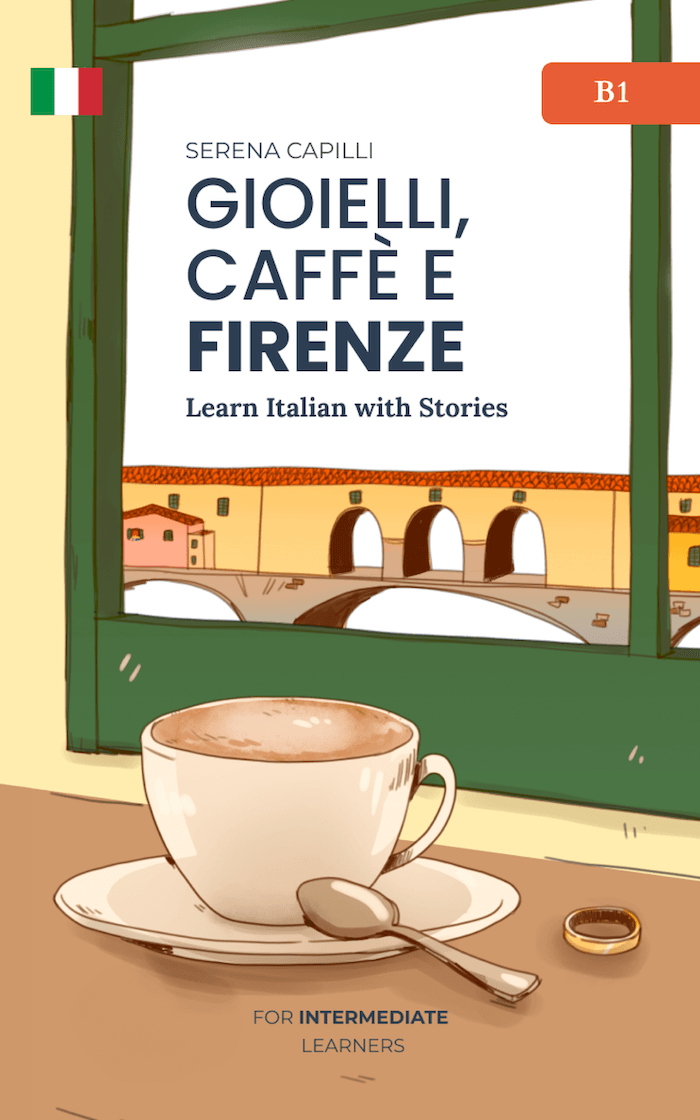
Gioielli, Caffè e Firenze
Level B1+
Marie moves to Florence, where jewelry making leads to a new life.
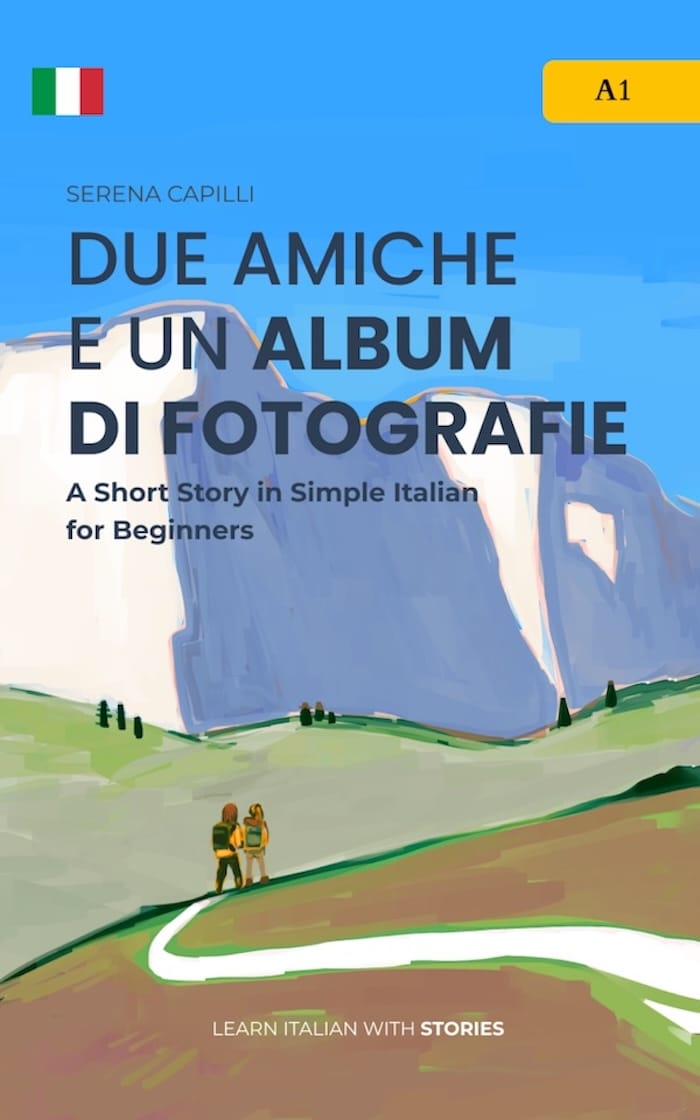
Due Amiche e un Album di Fotografie
Level A1
Two friends, an old photo album and a trip through southern Italy.
Dive deeper: Italian modal verbs · ci and ne · dovere, servire, avere bisogno