
If you’ve come across ci si in Italian and wondered why there are two little words where you expected one, this post is for you. It looks strange, but the rule behind it is simple.
In short
- Ci si = impersonal si + a reflexive verb. It means “one”, “you” or “people” in general: Ci si diverte = you have fun, people have fun.
- Si si sounds wrong in Italian, so the reflexive si becomes ci:
si si diverte→ ci si diverte. - The verb stays in the 3rd person singular: ci si alza, ci si rilassa.
- Adjectives and past participles go plural: Ci si sente stanchi. Ci si è divertiti.
- Ci si can also be ci (there, about it) + impersonal si: A Napoli ci si va in treno.
First, the impersonal si
In Italian we use the impersonal form to talk about people in general. It’s si + a verb in the 3rd person singular. If you need a refresher, start with my guide to the impersonal si.
- In Italia si mangia bene. (In Italy, you eat well.)
- In Italia si vive bene. (In Italy, people live well.)
- Quando si viaggia, si impara molto. (When you travel, you learn a lot.)
What happens with reflexive verbs
Now take a reflexive verb like divertirsi (to have fun). To say “you always have fun when you travel”, you need two si: the reflexive one from divertirsi, and the impersonal one.
Si si diverte quando si viaggia.
Two si in a row sound clumsy, so Italian changes the reflexive one into ci:
Ci si diverte quando si viaggia. (You have a good time when you travel.)
| Verb | Personal | Impersonal |
|---|---|---|
| mangiare (not reflexive) | Mangio bene. | Si mangia bene. |
| divertirsi | Mi diverto. | Ci si diverte. |
| alzarsi | Mi alzo presto. | Ci si alza presto. |
| rilassarsi | Mi rilasso. | Ci si rilassa. |
| annoiarsi | Mi annoio. | Ci si annoia. |
| abituarsi | Mi abituo. | Ci si abitua. |
More examples: a trip to Sicily
Here’s how I’d describe a holiday in Sicily, using only ci si:
- Ci si diverte. (You have fun.)
- Ci si rilassa in spiaggia o in collina. (You relax at the beach or in the hills.)
- Ci si perde tra le stradine dei centri storici. (You get lost in the narrow streets of the old towns.)
- Ci si gode la vita lenta. (You enjoy the slow pace of life.)
- Ci si muove in macchina o in treno. (You get around by car or train.)
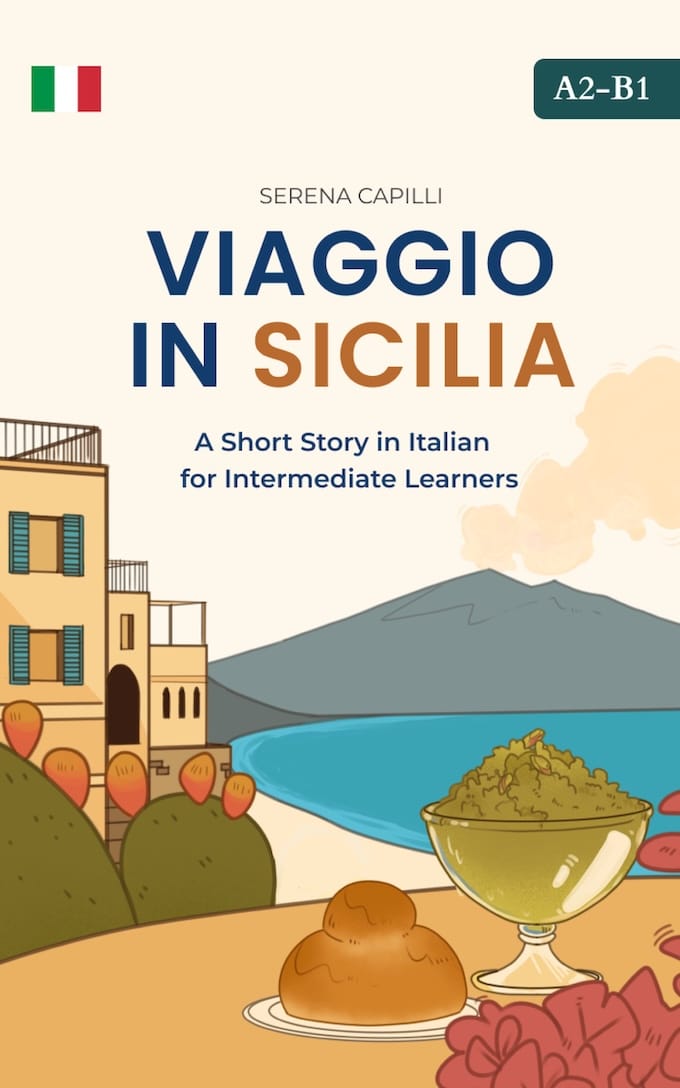
Every “you” here is a general you: it means “one” or “people”, not a specific person. If you’d like to see Sicily through Italian, my short story Viaggio in Sicilia is set right there.
Ci si in other tenses
Ci si works in every tense. Just watch out for one thing: in compound tenses it takes essere, and the past participle goes plural. The same happens with adjectives.
| Tense | Example | Meaning |
|---|---|---|
| Presente | Ci si diverte. | People have fun. |
| Passato prossimo | Ci si è divertiti. | People had fun. |
| Imperfetto | Ci si divertiva. | People used to have fun. |
| Futuro | Ci si divertirà. | People will have fun. |
| With a modal verb | Ci si può divertire. | You can have fun. |
- Dopo una giornata al mare ci si sente stanchi, ma felici. (After a day at the beach, you feel tired but happy.)
- Alla fine ci si è abituati al caldo. (In the end, people got used to the heat.)
The other ci si: ci + impersonal si
Sometimes ci si has nothing to do with reflexive verbs. Ci can mean “there” or “about it”, and when it meets the impersonal si, you get the same two words. Read more about it in my guide to ci and ne.
- A Napoli ci si va in treno. (People go there by train.)
- È un problema, ma ci si pensa domani. (It’s a problem, but we’ll think about it tomorrow.)
- Con questo rumore non ci si capisce niente. (With this noise you can’t understand a thing.)
And one you’ll hear all the time: Ci si vede! It means “See you!”, a casual way of saying ci vediamo.
Practice
Complete with si or ci si, then open the answers.
- In estate ___ alza presto per andare al mare.
- A quella festa ___ è divertiti tantissimo.
- In Italia ___ mangia bene.
- Quando ___ annoia, ___ guarda il telefono.
- A Napoli ___ va in treno.
- ___ vede domani!
Show the answers
- ci si
- ci si
- si (mangiare is not reflexive)
- ci si / si
- ci si (ci = there)
- Ci si
Practice with my stories
Impersonal forms like ci si are everywhere in real Italian. Reading stories at your level is the easiest way to get used to them.
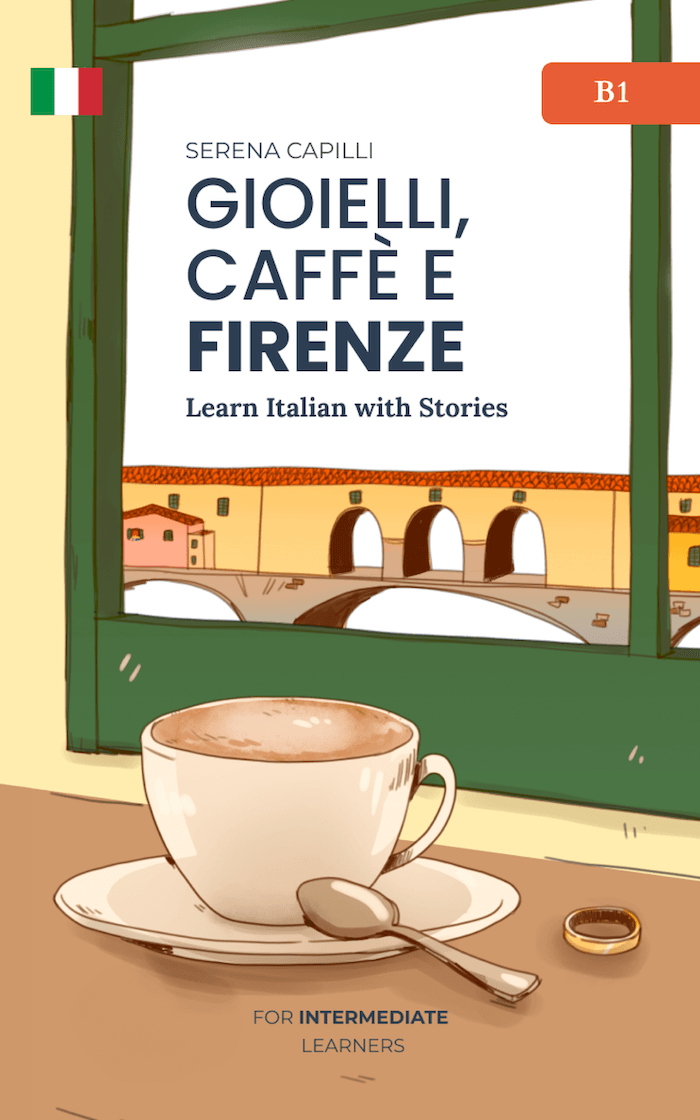
Gioielli, Caffè e Firenze
Level B1+
Marie moves to Florence, where jewelry making leads to a new life.
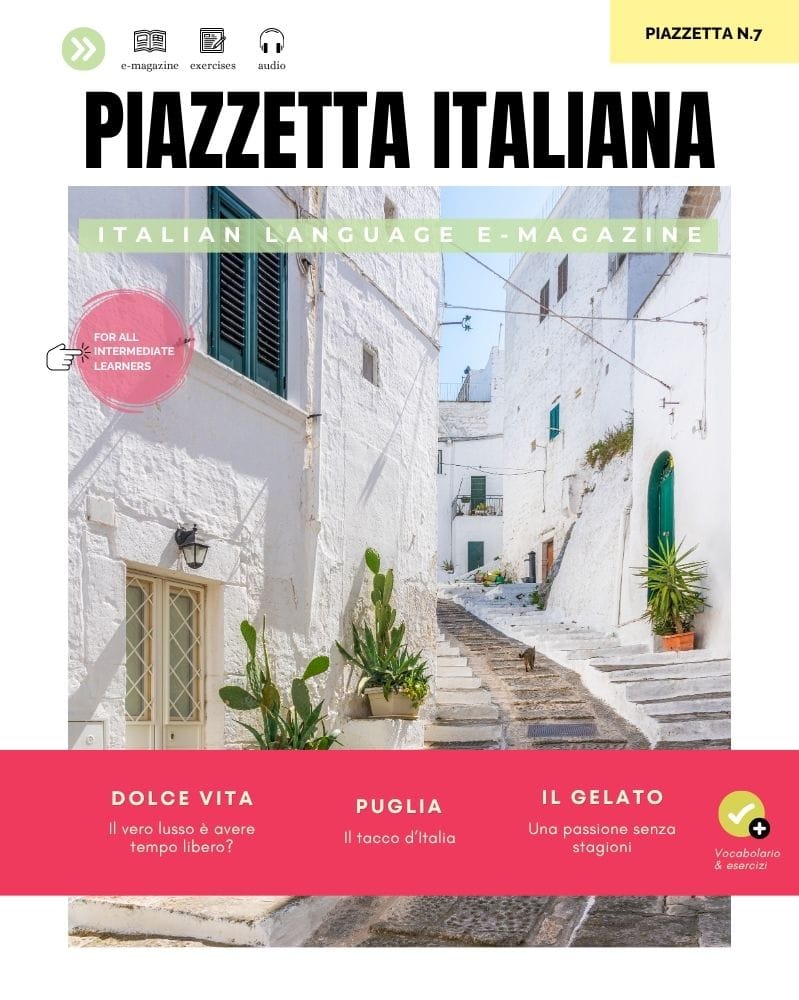
Piazzetta Italiana
Level A2/B1
My magazine for learners: real articles about Italian culture and everyday life, with vocabulary and audio.
Frequently asked questions
What does ci si mean in Italian?
Ci si is the impersonal form of a reflexive verb. It means one, you or people in general: Ci si diverte means you have fun, people have fun.
Why do Italians say ci si instead of si si?
Because si si would sound awkward. When the impersonal si meets a reflexive si, the reflexive one becomes ci: si si diverte becomes ci si diverte.
How do you use ci si in the past tense?
Use essere and a plural past participle: Ci si è divertiti, ci si è alzati presto. Adjectives go plural too: Ci si sente stanchi.
What does ci si vede mean?
Ci si vede means see you. It is a casual, spoken way of saying ci vediamo, common all over Italy.
Is ci si always a reflexive verb?
No. Ci si can also be ci meaning there or about it, plus the impersonal si: A Napoli ci si va in treno (people go there by train).