
Many students fear the speaking part of the CILS B1 Cittadinanza more than any other: you sit in front of an examiner and have to talk, in Italian, on the spot. In my opinion it’s not the hardest part of the exam, as long as you’ve practiced the topics that come up again and again. Here’s how it works and how I’d prepare.
In short
- The speaking test is short: a personal introduction (about a minute) and a conversation on one topic you choose from four.
- Use Lei with the examiner from start to finish: it’s a formal situation.
- The topics repeat: travel, food, books and films, city or countryside, recycling, renting a home, Italian culture compared to yours. Prepare them in writing first.
- Never answer with just sì or no: always add a reason or an example.
- The B1 Cittadinanza certificate is valid only for citizenship, and there’s no partial retake: if you fail one part, you redo the whole exam.
How the speaking test works
| Part | What happens | Length |
|---|---|---|
| Personal introduction | You talk about yourself: name, age, where you’re from, where you live (and for how long), your work or studies. | About 1 minute |
| Conversation | You pick one of four topics. The examiner asks a first question, then follow-up questions based on what you say. | A few minutes |
The rest of the exam has listening, reading with grammar, and writing. If you’re working on the written part too, read my guide to the CILS B1 Cittadinanza writing test.
Part 1: introduce yourself
This is always the first question, so you can prepare it word by word. Mention:
- your name and age
- where you’re from and where you live (and for how long)
- your job or your studies
- your family
- why you’re taking the exam
I also suggest saying how and why you learned Italian. It’s an easy topic, it helps you speak a little longer, and it makes a good first impression. Here’s a model you can adapt:
Buongiorno. Mi chiamo Laura, ho 42 anni e sono americana, di Boston. Vivo a Bologna da tre anni con mio marito, che è italiano. Lavoro come grafica. Studio italiano da due anni: all’inizio con un’app, poi con un’insegnante. Faccio questo esame perché voglio chiedere la cittadinanza italiana.
Part 2: the conversation
You’ll see four topics or images and choose the one you feel most comfortable with. The examiner may interrupt you with questions: that’s normal, it’s a conversation, not a speech.
If you get a yes-or-no question, never stop at sì or no. If the question is Il cibo vegetariano è sano?, don’t just say sì. Say why: Sì, perché di solito ci sono molte verdure e molta frutta, che sono importanti per una dieta equilibrata.
And remember to use Lei with the examiner the whole time. If you need a refresher, here’s how the Italian polite form works.
Useful phrases for the conversation
| To… | Say |
|---|---|
| Give your opinion | Secondo me… / Penso che + congiuntivo (Penso che sia giusto) |
| Compare | In Italia… mentre nel mio Paese… |
| Weigh pros and cons | Da una parte… dall’altra… |
| Give an example | Per esempio, quando… |
| Gain a few seconds | Allora… Dunque… È una bella domanda. |
| Ask them to repeat | Mi scusi, non ho capito la domanda. Potrebbe ripeterla, per favore? |
| Ask about a word | Mi scusi, che cosa significa la parola…? Potrebbe aiutarmi? |
Common speaking topics
These are the kinds of prompts you can expect. Prepare a short answer for each one.
| Topic (in Italian) | What to prepare |
|---|---|
| Ti piace viaggiare? | Tell the story of a trip. |
| Ti piace leggere o andare al cinema? | Talk about a book you read or a film you saw. |
| Ti piace cucinare? | Explain a recipe, or tell a story about food. |
| Ci sono delle differenze tra la cultura italiana e la tua? | One similarity and one difference. |
| Fai la raccolta differenziata? | The main rules, whether you think it’s right, how it works in your country. |
| Preferisci la città o la campagna? | Your choice and why. |
| Hai la patente di guida italiana? | Differences between the driving test in Italy and in your country. |
| Quando cerchi una casa in affitto, a che cosa fai attenzione? | Your needs: price, area, size, transport. |
| La sanità in Italia e nel tuo Paese | How it works, what you like or don’t. |
| I documenti per la cittadinanza | The steps and documents you need. |
Why writing is the secret to speaking well
Imagine your teacher asks you, out of the blue, to talk for five minutes about traffic in your city. Maybe your Italian is good enough, but you’ve never formed an opinion on it, not even in your own language.
That’s where writing comes in. When you write, you have time to organize your ideas, look up words and, ideally, get your sentences corrected by a teacher. By the time you speak, you’ve already done the thinking. So take the topics above and answer each one in writing, then read your answers out loud until they feel natural.
How to prepare: my plan
- Consolidate A2 and B1 grammar. The level you need is between A2 and B1: present, passato prossimo, imperfetto, future, and a few common uses of the congiuntivo.
- Write your answers to the common topics and have a teacher correct them.
- Read them out loud, then try again without the text.
- Do as many practice tests as you can, starting with the official sample speaking prompts.
- Listen to Italian every day, so the examiner’s questions don’t catch you off guard.
Train your ear with Piazzetta Italiana
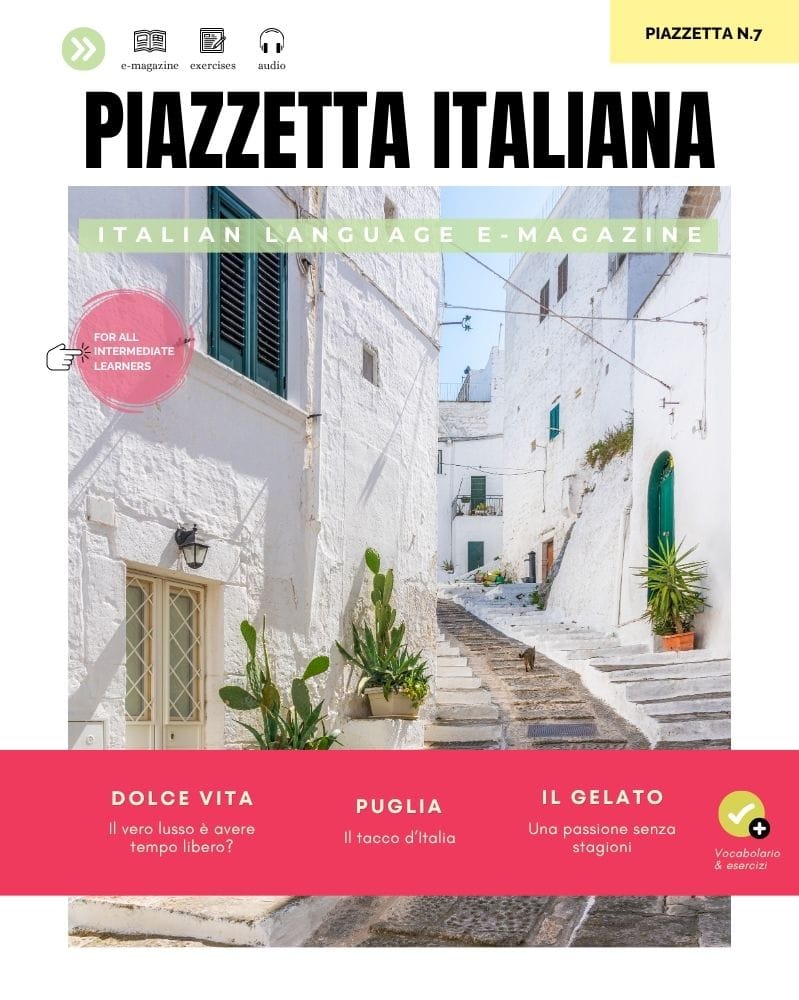
The speaking test is a conversation, so understanding the examiner matters as much as speaking. My podcast Piazzetta Italiana is in slow, clear Italian about everyday life in Italy today, and Piazzetta Italiana magazine has short articles at A2 and B1 level. Both give you ideas and words for exactly the topics you’ll talk about: culture, food, cities, life in Italy.
Prep books for the CILS B1 Cittadinanza
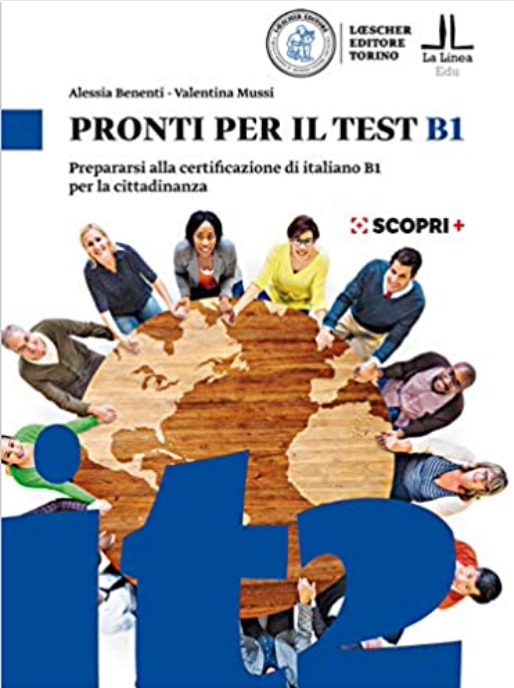
These two textbooks are built around the exam format: Percorso CILS B1 Cittadinanza and Pronti per il test B1 Cittadinanza.


Exam dates, cost and registration
| 2027 sessions |
|---|
| 18 February |
| 8 April |
| 10 June |
| 22 July |
| 21 October |
| 2 December |
- Cost: it depends on the center. In Italy it’s around €100; abroad it’s often higher.
- Where: official list of CILS exam centers in Italy and abroad.
- Results: they usually take about two months.
Considering other exams? Compare with the CELI 2 and the PLIDA B1. And if you’d like a teacher to prepare you one-on-one, I offer bespoke private Italian classes online.
Practice with my stories
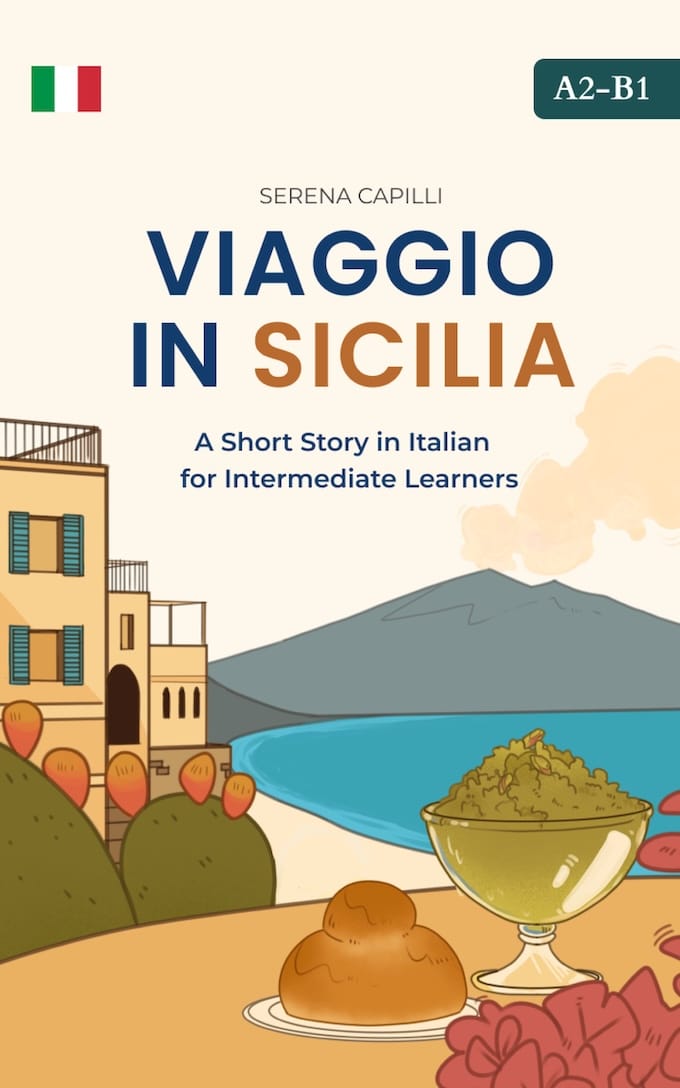
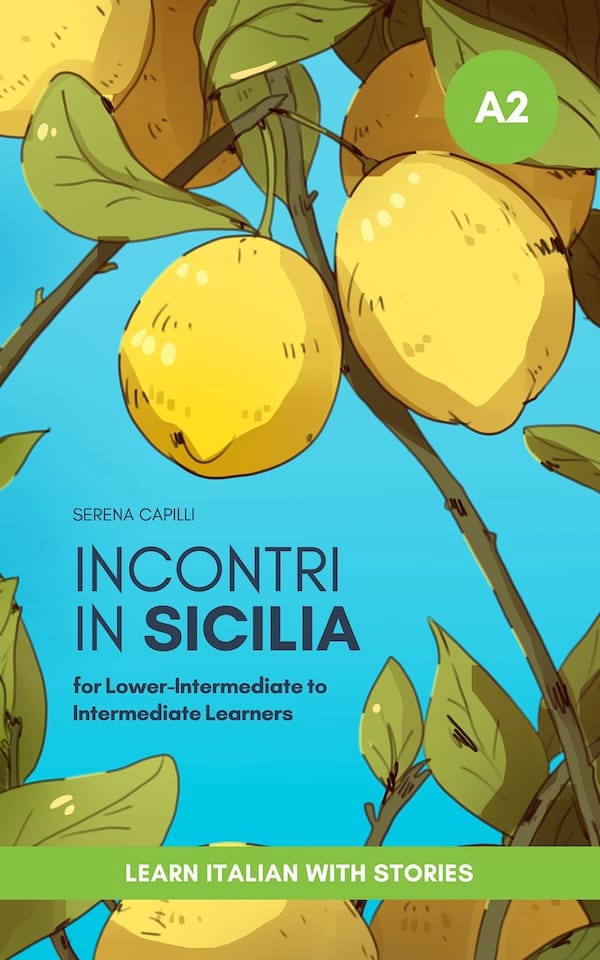
Reading stories at your level is one of the easiest ways to build the vocabulary you need for the conversation.
Piazzetta Italiana
Level A2/B1
My magazine for learners: real articles about Italian culture and everyday life, with vocabulary and audio.
Frequently asked questions
How long is the CILS B1 Cittadinanza speaking test?
Only a few minutes: a short personal introduction of about one minute, then a conversation with the examiner on one topic you choose from four.
What topics come up in the CILS B1 Cittadinanza speaking test?
Everyday topics: travel, food and cooking, books and films, city or countryside, recycling, renting a home, healthcare, citizenship documents, and differences between Italian culture and yours.
Should I use tu or Lei with the examiner?
Use Lei for the whole test. An exam is a formal situation, and using it correctly shows control of the language.
What if I don’t understand the examiner’s question?
Ask politely: Mi scusi, non ho capito la domanda. Potrebbe ripeterla, per favore? Asking is normal and much better than answering the wrong question.
Can I retake only the speaking part of the CILS B1 Cittadinanza?
No. The B1 Cittadinanza has no partial certification: if you fail one part, you have to retake and pay for the whole exam.
When are the CILS B1 Cittadinanza exams in 2027?
The 2027 CILS calendar lists sessions on 18 February, 8 April, 10 June, 22 July, 21 October and 2 December. Registration deadlines are set by each exam center, so check with yours.